


If your dog’s eye is swollen, it’s natural to feel worried right away. A swollen eye can look alarming, and the causes range from mild and temporary to serious and sight-threatening. Knowing why it happens, what you can safely do at home, and when to stop waiting and call a professional can make a real difference in the outcome. While some mild cases can be managed temporarily at home, it is always best to have a veterinarian in Austin evaluate your dog for a proper diagnosis.
Why Is My Dog’s Eye Swollen?
A swollen eye is a symptom, not a diagnosis on its own, so what does it mean when your dog’s eye is swollen? In most cases it means the tissue around the eye is inflamed in response to irritation, injury, infection, or an immune reaction. The exact cause usually comes down to one of the following.
1. Allergies
Dogs can be allergic to pollen, dust, certain foods, or topical products, leading to swollen, red, and itchy eyes. Allergy-related swelling often affects both eyes at once, and you may also notice sneezing or watery discharge, which explains why some dogs present with an eye that is red, swollen, and watery at the same time.
2. Infections
Bacterial, fungal, or viral infections can cause swelling, redness, and discharge. If your dog’s eye is red and swollen with discharge that’s thick, yellow, or green, an infection is a likely culprit, and it typically requires prescription treatment at a vet clinic.
3. Injuries
Trauma to the eye area, such as scratches, bites, or blunt impact, can result in sudden swelling. This is a common reason a dog’s eye becomes swollen shut after a fight or rough play, and depending on severity it may fall under illness and injury management.
4. Foreign Objects
Grass seeds, dirt, or other debris lodged in the eye cause irritation and swelling that won’t resolve until the object is removed. This is a frequent cause of sudden, one-sided puffiness after time spent outdoors.
5. Immune-Mediated Conditions
Some immune system disorders cause chronic or recurring inflammation around the eyes and require ongoing care from an animal hospital.
6. Dental or Sinus Issues
A swollen lump under a dog’s eye, especially one that’s warm or painful to the touch, can point to an infected tooth root abscess rather than an eye problem itself. This type of swelling usually needs dental imaging and treatment to resolve, not eye drops.
What Different Types of Swelling Can Mean
Where the swelling shows up and what it looks like can help narrow down the cause before you even reach the vet.
- Pink part of the eye is swollen: If the pink tissue (conjunctiva or third eyelid) is puffy or protruding, this usually points to conjunctivitis or a condition called cherry eye, where a gland in the third eyelid pops out of place.
- Inner corner of the eye is swollen: Swelling near the inner corner can indicate a blocked tear duct, cherry eye, or localized infection, and often comes with extra tearing or discharge.
- Eye swollen shut with discharge: This combination usually signals a more significant infection or injury and is not something to manage with home care alone.
- Swollen lump under the eye: As noted above, this is often dental in origin rather than a primary eye issue.
How to Treat a Dog’s Swollen Eye at Home
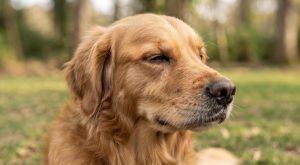
If you’re wondering what to do if your dog’s eye is swollen and a same-day vet visit isn’t immediately possible, these steps can provide temporary relief while you arrange care. They are comfort measures only and are not a replacement for professional diagnosis.
Prevent further irritation: Put an E-collar (cone) on your dog if they’re pawing or rubbing at the eye, since scratching can turn mild swelling into a much more serious injury.
Cold compress: Apply a chilled, not ice-cold, damp washcloth to the closed eyelid for 5 to 10 minutes several times a day. Always check the temperature on your inner wrist first to avoid shocking the eye. This is the most effective first step for reducing acute swelling.
Saline or artificial tears rinse: Flush the eye gently with over-the-counter sterile saline or plain, preservative-free artificial tears to clear trapped dirt, pollen, or debris. Do not use drops that contain medications or steroids.
Wipe discharge carefully: If the eye is swollen shut with discharge, moisten a clean cotton pad with saline and wipe gently from the inner corner outward, using a fresh pad for each wipe to avoid spreading bacteria to the other eye.
Warm compress: Once initial swelling has eased, switch to a warm compress to soothe lingering inflammation. The same wrist-temperature check applies.
Chamomile tea bag: A cooled, steeped chamomile tea bag placed over the closed eyelid can help soothe scratchiness and mild irritation.
Keep the eye clean: Use a clean, damp cloth to gently wipe away discharge or crust from around the eye several times daily.
Vet-approved antihistamines: If you suspect allergies, such as both eyes being affected and the dog being visibly itchy, ask your vet before giving Benadryl or any other antihistamine. Dosage depends on your dog’s weight, and some formulations include decongestants or xylitol, both of which are toxic to dogs, so a product should never be given without confirming it’s plain diphenhydramine.
Limit irritant exposure: Keep your dog away from known allergens, dusty environments, and any products that could worsen the swelling while you monitor the eye.
Never use human medication: Skip human eye drops, leftover pet prescriptions, or any topical steroid. If there’s an unseen scratch on the eye’s surface, the wrong medication can make it worse and risk permanent damage.
Quick Reference: Matching Symptoms to Likely Causes
| What You See | Likely Cause | Safe First Step |
|---|---|---|
| Sudden puffiness after time outside, both eyes affected | Allergies or insect bite | Cool compress; call your vet about antihistamines |
| Thick yellow or green discharge | Bacterial infection | Wipe clean with saline; schedule a vet visit for antibiotics |
| Eye swollen shut after rough play or a fight | Trauma or injury | Cold compress; have the eye examined promptly |
| Bulging eye, cloudiness, or visible pain | Glaucoma or serious internal injury | Do not treat at home; seek emergency care immediately |
| Firm lump under the eye | Dental abscess | Avoid pressing on it; schedule a dental exam |
When to Contact Your Veterinarian Immediately
Home care has real limits, and what happens if your dog’s eye is swollen and left untreated can range from a resolved irritation to permanent vision loss. Contact Honnas Veterinary right away, or use our emergency vet service, if you notice any of the following:
- The eye is bulging, sunken, or has developed cloudiness or a bluish haze
- Swelling does not improve within 24 to 48 hours of home care
- Discharge is yellow, green, thick, or heavily crusted
- Your dog is pawing at the eye, squinting, or keeping it completely shut
- There is a visible scratch, puncture, or redness on the eyeball itself
- Your dog seems lethargic, has lost their appetite, or is behaving differently alongside the eye swelling
Visible injuries or embedded foreign objects may require veterinary surgery to resolve safely.
Frequently Asked Questions
What can I put on a dog’s swollen eye?
A cool, damp compress and preservative-free saline rinse are the safest options at home. Avoid any drops, ointments, or human medications unless a veterinarian has specifically approved them for your dog.
Will Benadryl help my dog’s swollen eye?
Plain diphenhydramine can help with allergy-related swelling, but the correct dose depends on your dog’s weight, and many over-the-counter formulations contain added ingredients that are unsafe for dogs. Always confirm the dose and product with your vet before giving it.
How do I help my dog if his eye is swollen from a fight?
Apply a cool compress to reduce swelling, keep your dog from pawing at the area, and check for punctures, bleeding, or damage to the eyeball itself. Bite wounds near the eye carry a real risk of hidden injury, so a same-day veterinary exam is strongly recommended even if the eye looks intact.
How long does it take for a dog’s swollen eye to go down?
Mild, allergy- or irritant-related swelling often starts improving within a few hours of a cold compress and continues to ease over 24 to 48 hours. If swelling persists beyond that window, or worsens at any point, it’s time to see a vet rather than continue waiting it out.
Preventing Swollen Eyes in Dogs
Regular eye cleaning: Use a vet-approved eye wash to prevent buildup and infection. Staying current on pet vaccinations also reduces the risk of infections that can affect the eyes.
Check after outdoor activity: Inspect your dog’s eyes after every walk or run, especially in grassy or wooded areas where seeds and debris are common.
Allergy management: Work with your veterinarian in Austin to identify and manage any allergies before they escalate into recurring eye problems.
Protective gear: Dog goggles are worth considering for breeds prone to eye issues or during activities that put the eyes at risk.
Final Thoughts
If a dog’s eye is swollen, mild cases can often be eased at home with a cool compress and a gentle saline rinse, but professional care is always the safest route. Eye conditions in dogs can escalate quickly, and early treatment leads to better outcomes. If your dog’s symptoms persist or worsen, reach out to Honnas Veterinary for expert care in Austin, TX.