

Why is my dog limping on its back leg?
Dogs’ back legs are complex. With multiple joints and a direct connection to the hips, this large area can get easily injured and/or become a hotbed for health issues such as arthritis and tumors, for example.
Before you diagnose your dog at home, it helps to think about when the limp started. A dog suddenly limping on a back leg often points to a different cause than a limp that’s crept in gradually over weeks or months. Below, we’ve grouped common causes into sudden-onset and gradual-onset categories to help you narrow things down, alongside how you can tell if one of these is what’s causing your dog’s discomfort.
Sudden-onset causes
- Injuries: Dogs can injure themselves during play, exercise, or even simple activities. Their back legs particularly can suffer trauma or injuries such as sprains, strains, or fractures, all of which would result in limping. How do you know if this is why your dog is limping? Try to recall if you saw them get hurt recently.
- Paw Pad or Nail Injuries: One of the most common, and most overlooked, causes of a sudden dog limping back leg episode is something as simple as a torn nail or a cut, splinter, or burr in the paw pad. Check between the toes and pads for anything lodged there, and check each nail for cracks or tears.
- Tick-Borne Illness: Conditions like Lyme disease can cause sudden limping that sometimes shifts from leg to leg over a few days. If your dog spends time outdoors in tick-prone areas, this is worth mentioning to your vet.
- Torn Ligaments: The cruciate ligament in a dog’s knee can tear through physical activity, and it can be very painful for them. If your dog is in distress and limping on its back leg, see a vet immediately. It could be a torn ligament, and that will require surgery. This is also a common cause of dog limping back leg after running or other strenuous play.
- Nerve Damage: Conditions affecting the nervous system can lead to limping and difficulty walking. It will be hard for you to diagnose this yourself, so if it doesn’t seem like any other reason, bring your dog into see a vet.
- Infections: Infections in the bones, joints, or skin can cause pain and limping. Again, as the back leg area is so large, there are more opportunities for infection to occur for multiple reasons. If this is the case, your dog may also have other symptoms and should see a vet for treatment and to get well again.
- Broken Bone or Dislocated Hip: A fall, collision, or awkward landing can cause a fracture or dislocation. This usually causes an immediate, severe limp or an unwillingness to bear any weight at all, and needs prompt veterinary attention.
Gradual-onset causes
- Arthritis: Arthritis causes inflammation in the joints, leading to pain and stiffness. With so many joints in this area, including the hips, this is a common cause of old dog limping back leg symptoms. If you are wondering if this could be why your dog is limping, think about their age.
- Hip Dysplasia: This is a genetic condition that affects the hip joint and is common in larger dog breeds. Again, due to the hip’s connection with the back legs, it can cause limping, pain, and difficulty moving. This would have to be diagnosed by a veterinarian.
- Luxating Patella: Commonly referred to as a “trick knee,” this occurs when the kneecap slips out of place, causing intermittent limping. You’ll know if this is what’s affecting your dog if it happens often. You will want to see a vet about how to manage it. This can also cause a dog back leg clicking and limping sensation as the kneecap moves in and out of place.
- Tumors: Tumors affecting the bones or joints can result in chronic limping and pain, and with so many joints and bones in the back legs, this can be a cause. Bone cancer (osteosarcoma) most often affects the area near the knee and tends to cause pain that doesn’t improve with rest, with dogs often reluctant to put any weight at all on the leg. As with infections, if your dog has a tumor, there may be other symptoms including a lump. Book a visit to your local Austin veterinarian immediately if you suspect that this is the case.
Causes specific to puppies
Growing puppies can develop limps from conditions that don’t affect adult dogs:
- Panosteitis: Sometimes called “growing pains,” this causes limping that comes and goes, often with mild fever, in large-breed puppies. Most outgrow it by 12 to 18 months.
- Osteochondritis Dissecans (OCD): A flap of cartilage forms abnormally during growth and can detach, causing joint instability and pain. This often needs surgical treatment.
- Hypertrophic Osteodystrophy (HOD): A painful condition in rapidly growing large-breed puppies that can cause swollen, warm joints along with limping, lethargy, or fever.
My dog is limping but doesn’t seem to be in pain, should I still worry?
It’s a common question: “my dog is limping on his back leg but not in pain,” or not crying out, so is it really a problem? The short answer is yes, it’s still worth taking seriously. Dogs are naturally stoic and often don’t vocalize pain, even when something is genuinely wrong. A dog who is limping but not crying is still hurting, even if they’re eating normally, wagging their tail, or seem otherwise fine. Limping without obvious pain, swelling, or a visible injury can still point to minor strains, early arthritis, a mild luxating patella, or even nerve-related issues, so a dog limping back leg no visible injury or dog limping back leg no pain or swelling situation still deserves a vet’s attention if it continues for more than a day or two.
At-home assessment before you call the vet
If your dog is avoiding putting weight on the leg, a gentle at-home check can help you describe the issue more clearly when you speak with your vet:
- Check the Paws: Look between the toes and pads for splinters, thorns, pebbles, burrs, or cuts. Check the nails for any cracks or tears.
- Feel for Swelling: Run your hands gently over the leg, starting from the toes and moving up to the hip. Check for swelling, warmth, or tenderness, this is especially important if you’re noticing a dog back leg swollen and limping together.
- Monitor Activity: Limit running, jumping, and strenuous play. Keep your dog as rested as possible while you observe the limp.
Go gently, and stop right away if your dog reacts painfully to being touched anywhere on the leg.
No budget? No problem!
At Honnas Veterinary we have a range of payment options for veterinary services, and the exam is always free. Don’t try to figure this out alone, let us help you diagnose your pet’s issue at no cost to you, then work with you on a treatment and payment plan; your pet needs you to help them. Please do not be discouraged to support your pet due to finances, solutions are available.
Home Treatments for Limping Dogs
If your dog is limping, there are some steps you can take at home to help alleviate their discomfort, but please remember, if there are signs of serious injury or health matters, please take your dog to the vet.
- Rest and Restriction: If you suspect your dog is limping as a result of a mild injury, try to limit their activity for a few days to allow them to heal. Ensure they have a comfortable place to rest and avoid stimulation such as visitors, toys and distracting sounds.
- Cold Compress: If your dog is limping immediately after an incident, apply a cold compress or ice pack to the affected area for 15-20 minutes to reduce swelling and pain.
- Warm Compress: After the initial swelling has gone down (usually after 48 hours), warm compresses can help relieve stiffness. If symptoms persist after this, see a veterinarian without delay.
- Pain Relief: While treating your dog for a mild injury at home (especially one that they can recover from without surgery), over-the-counter pain relief for animals, such as non-steroidal anti-inflammatory drugs (NSAIDs), can help you to manage their pain and keep them calm. This is not a long term solution, but can be used in the early stages, while you learn if your dog needs further treatment. Never give your dog human NSAIDs like ibuprofen, as these can be toxic, always use a product made and dosed specifically for dogs.
- Physical Therapy: Gentle massages and range-of-motion exercises can help improve mobility and reduce discomfort. This can be ongoing to support your dog’s healing from an injury or recovery from surgery.
- Weight Management: Please keep in mind that dogs also limp when they are having trouble carrying too much weight, even on a very mild injury. In this case, their weight is the issue, so keeping them healthy can reduce the strain on their joints and alleviate pain.
What will the vet do to diagnose the cause?
If home rest doesn’t resolve things, your vet will typically run through a few steps to pinpoint exactly what’s going on:
- Physical Examination: Assessing your dog’s gait, range of motion, and reaction to gentle manipulation of the leg and joints.
- X-Rays or Imaging: Used to identify fractures, arthritis, dysplasia, or bone changes.
- Palpation Tests: Gently manipulating the leg to check for ligament instability or a luxating patella.
- Bloodwork: Helpful for ruling out tick-borne illness or infection as an underlying cause.
For more detailed breakdowns of specific causes, PetMD’s guide is a helpful additional resource.
Dog Limping: When to Contact Your Veterinarian Checklist
As we have discussed, if you have noticed your dog limping on its back leg, it’s crucial to monitor their condition and know when it’s time to seek professional veterinary care. If your dog is displaying any of the following, contact your local veterinarian immediately:
- Persistent Limping: If your dog continues to limp for more than 24-48 hours.
- Severe Pain: If your dog is in severe pain, crying out, or unable to put any weight on the leg.
- Visible Injuries: If you notice cuts, swelling, or any visible injuries.
- Other Symptoms: If your dog shows other symptoms such as lethargy, loss of appetite, or changes in behavior.
- Intermittent Limping: If your dog limps intermittently or shows signs of a recurring issue, it could indicate an underlying condition.
- Deformed or Dangling Leg: If the leg looks visibly deformed, or your dog won’t bear any weight on it at all for more than 24 to 48 hours, this needs urgent attention rather than a wait-and-see approach.
- Neurological Signs: Dragging the paw, knuckling over, or loss of balance can point to a nerve or spinal issue and should be checked right away.
An Animal Hospital in Austin, TX
Established in December 2023 by Dr Cheri Honnas, Honnas Veterinary is a top-rated veterinarian in Austin. Open 7-days a week from 9am to 7pm, Honnas Veterinary manages all illness and injury cases, providing access to emergency vets. Honnas also offers pet dentistry and a pet wellness clinic including vaccinations, medications and spay and neuter services. Honnas Veterinary is an AHAA accredited veterinary clinic. Visit honnasvet.com.
Frequently Asked Questions
Why is my dog limping on its back leg but not crying?
Dogs often hide pain instinctively and may not cry out even with a real injury or condition. Limping itself is the sign of discomfort, not the absence of crying, so it’s worth having it checked rather than waiting for more obvious distress.
My dog is limping on her back leg suddenly, what should I do first?
Gently check the paw and nail for injury, restrict activity, and watch for 24 to 48 hours. If the limp is severe, your dog won’t bear weight at all, or you notice swelling or deformity, contact your vet right away rather than waiting.
How do I treat a dog’s limping back leg at home?
Rest, activity restriction, and cold or warm compresses can help with mild strains. Dog-specific NSAIDs may help manage pain short term, but home care is meant for mild cases only, persistent or worsening limping needs veterinary care.
Why does my dog’s back leg click when they limp?
A clicking sensation along with limping can point to a luxating patella, where the kneecap is slipping in and out of its groove. This is worth having your vet evaluate, especially if it happens often.
Dog Limping Back Leg: Final Thoughts
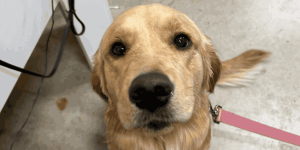
Limping in the back leg can be caused by a variety of issues, and it’s important to address the problem promptly to ensure your dog’s comfort and health. While home treatments can provide temporary relief, consulting your veterinarian is essential for a proper diagnosis and treatment plan.
If you’re in Austin, TX, and your dog is limping, don’t hesitate to reach out to contact us for a free exam.
For more information on dog health and care, you can visit websites like the American Veterinary Medical Association (AVMA).
Remember, your dog’s health and happiness are always a priority. If you have any concerns, it’s best to seek professional advice.