

Veterinary Echocardiogram in Austin, TX. Open 7 Days.
A veterinary echocardiogram, also called a cardiac ultrasound or heart ultrasound, provides detailed, real-time information about how your pet’s heart is structured and functioning. Unlike X-rays, echocardiography does not use radiation. Your veterinarian may recommend an echocardiogram when your dog or cat has a heart murmur, an irregular heartbeat, coughing, breathing difficulties, weakness, fainting, reduced energy, or other findings that could indicate cardiovascular disease. An echocardiogram may also be useful when your veterinarian needs more information after a physical examination, X-rays, bloodwork, or other diagnostic testing.
What Is a Veterinary Echocardiogram?
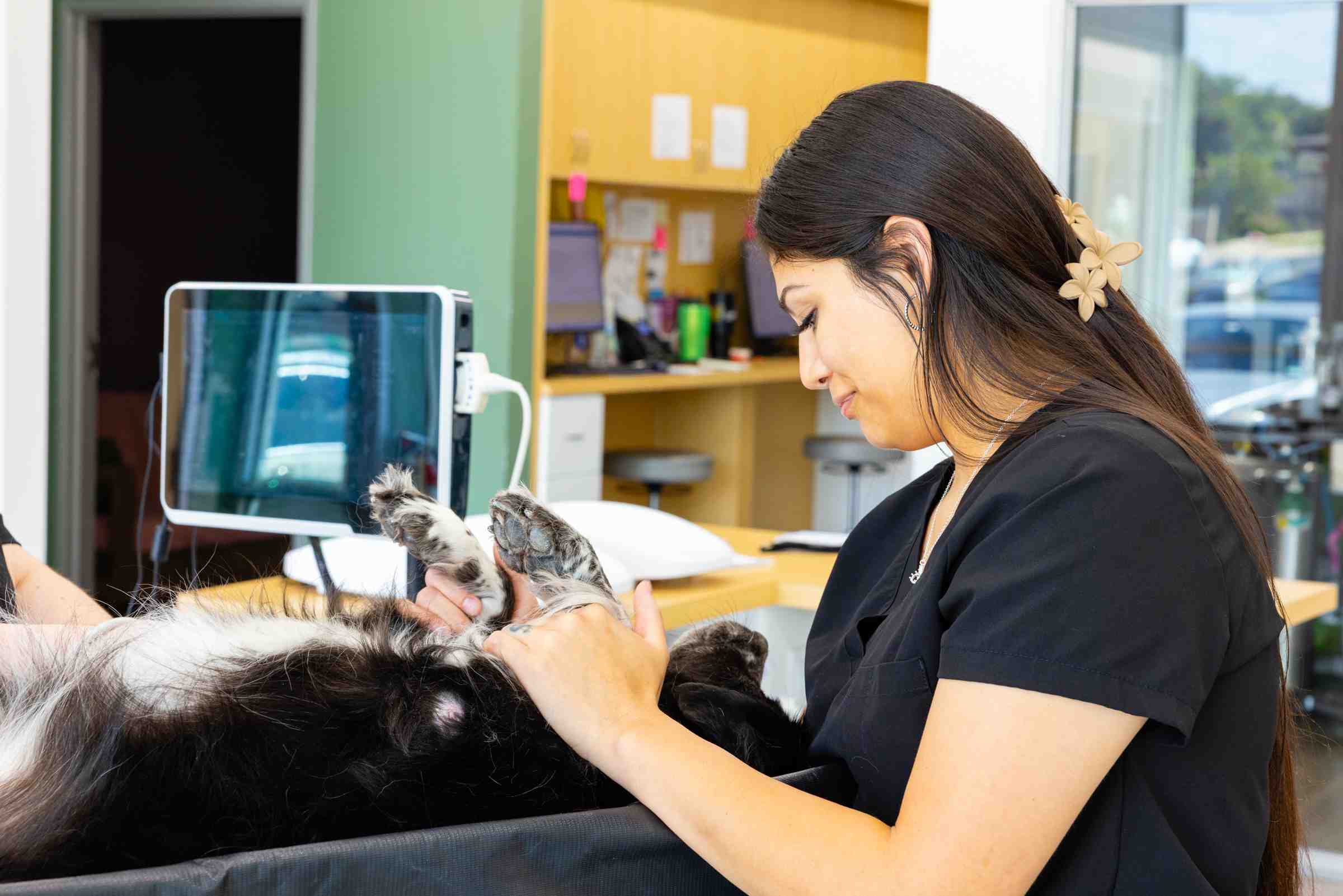
A veterinary echocardiogram is an ultrasound examination focused specifically on your pet’s heart. It uses sound waves to create moving images, allowing our veterinary team to evaluate the heart as it beats without an incision or radiation exposure.
Read More
Read Less
- Evaluates heart chamber size and structure
- Shows heart muscle movement
- Examines heart valve structure and function
- Helps assess blood flow through the heart
- Evaluates the heart’s pumping function
- Can identify certain abnormalities and congenital heart conditions
Because echocardiography provides information about both the structure and function of the heart, it can be an important part of evaluating suspected heart disease. The moving images allow veterinarians to observe how the heart chambers, valves, and muscle work in real time.
Your veterinarian may recommend an echocardiogram when additional information about your pet’s heart is needed, such as when investigating a heart murmur or other signs of possible heart disease. It may also be used alongside physical examinations, X-rays, laboratory testing, and other diagnostic tools as part of our in-house
illness and injury
diagnostics.
Veterinary Echocardiogram FAQs
What can a veterinary echocardiogram detect?
A heart ultrasound can provide detailed information about the structure and function of your pet’s heart. It may help veterinarians identify abnormal heart valves, changes in heart muscle, enlarged heart chambers, abnormal blood flow, congenital heart abnormalities, and other conditions associated with heart disease.
Why would my dog or cat need an echocardiogram?
Your veterinarian may recommend an echocardiogram when your pet has a heart murmur, irregular heartbeat, coughing, difficulty breathing, weakness, fainting, reduced energy, or other signs that may be associated with heart disease. Echocardiography may also be recommended for pets with suspected congenital heart defects or breeds that are more prone to certain heart conditions.
Is a veterinary echocardiogram safe for pets?
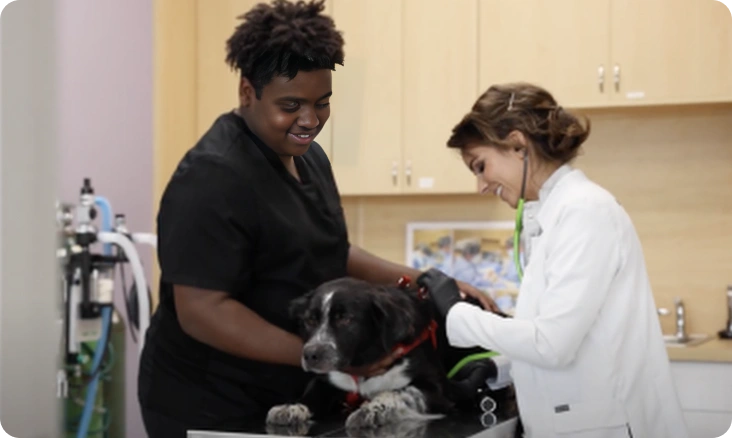
Yes. An echocardiogram is generally considered a safe and non-invasive diagnostic procedure. It uses sound waves rather than radiation and is typically painless. Most pets can undergo the examination while awake with gentle restraint from the veterinary team.
What happens during a veterinary echocardiogram?
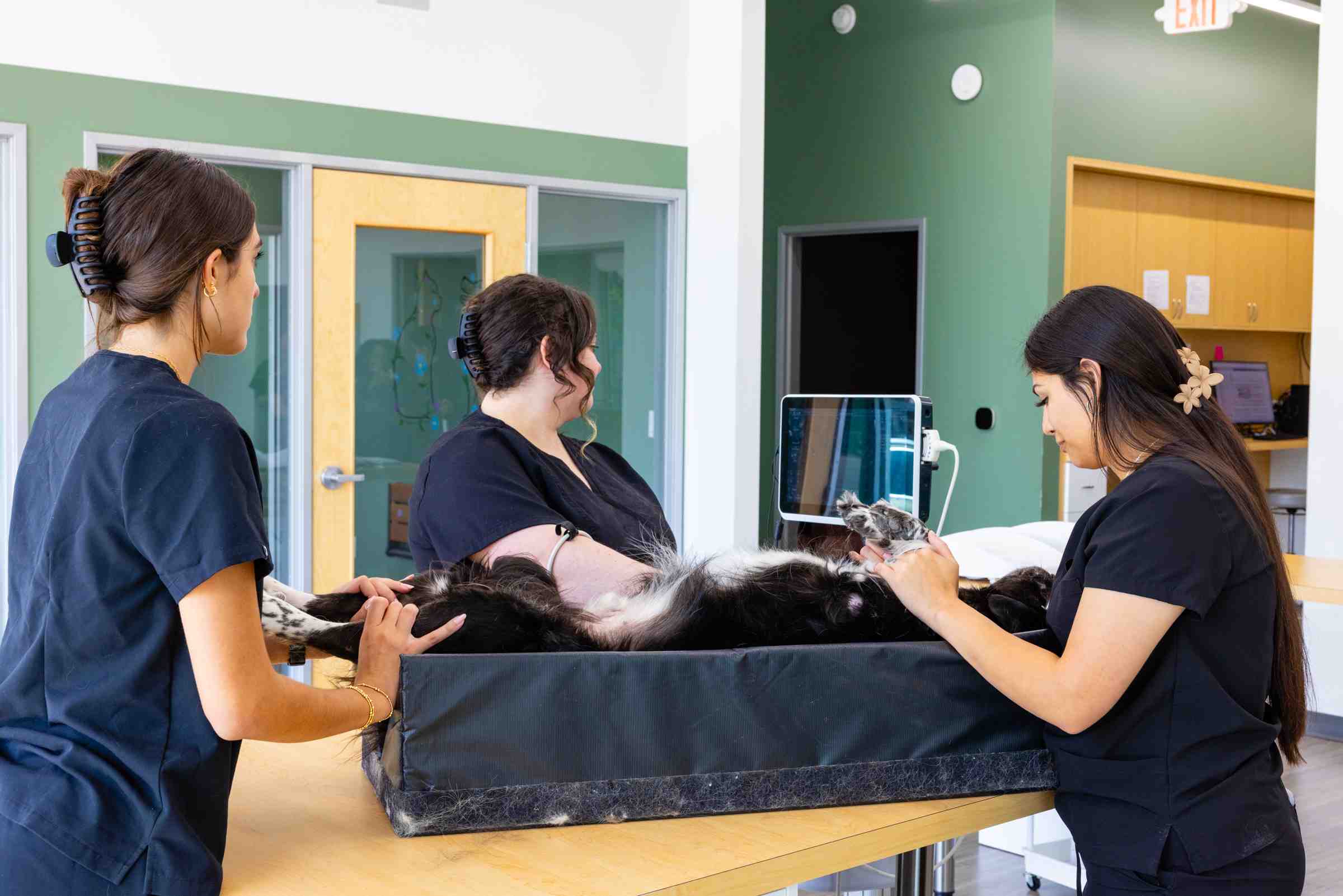
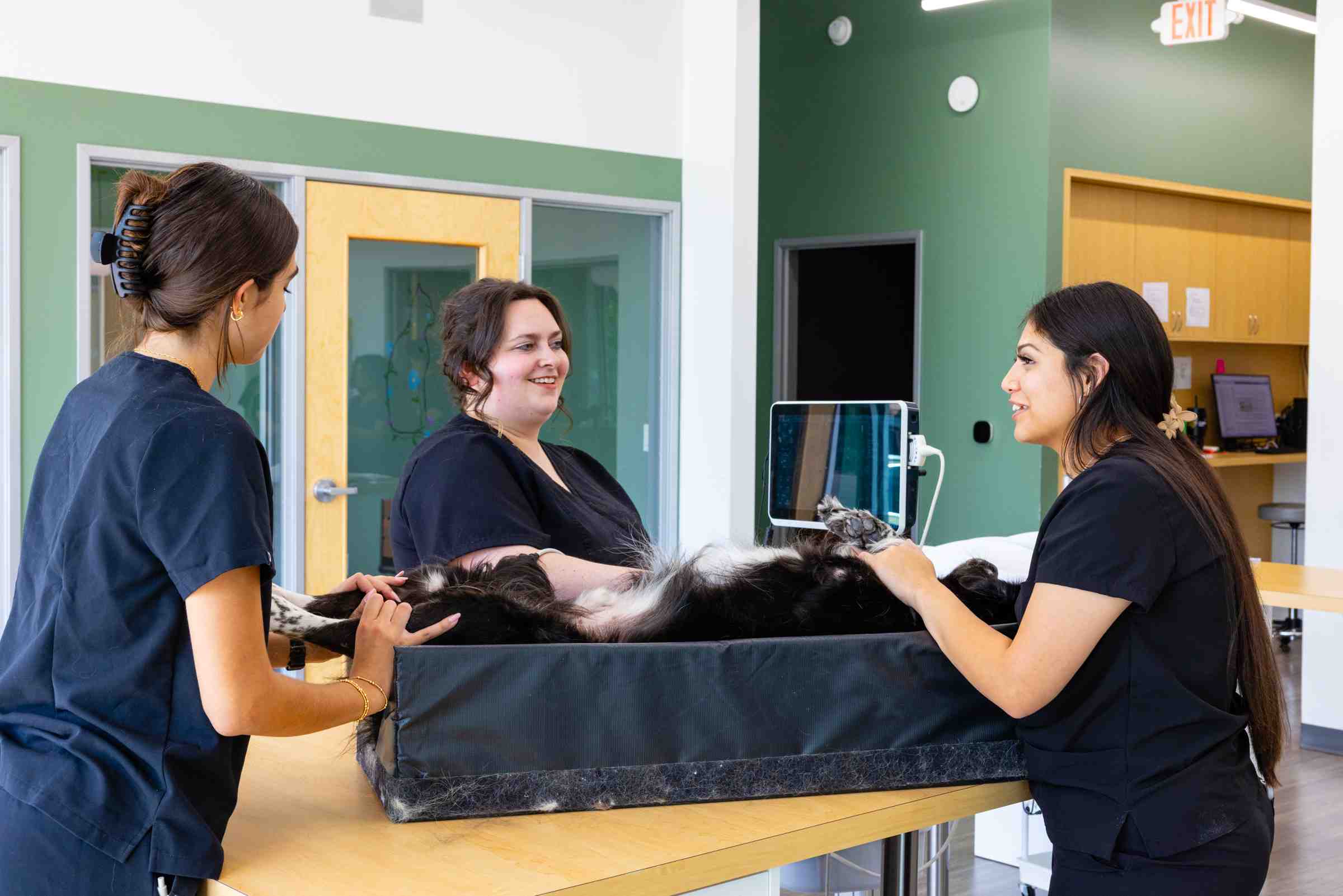
During the examination, your pet is gently positioned on a padded table. Ultrasound gel is applied to the chest, and a small ultrasound probe is moved over the area to obtain images of the heart. The probe may be positioned between the ribs to capture different views of the heart.
Most pets do not need to be anesthetized for an echocardiogram. The veterinary team will help keep your pet calm and comfortable throughout the procedure.
Does my pet need sedation for an echocardiogram?
Many dogs and cats can have an echocardiogram without sedation. Gentle handling and light restraint are often enough to keep a pet still during the examination. If a pet is extremely anxious, uncomfortable, or unable to remain still, the veterinarian may consider light sedation based on the individual patient’s needs.
How long does a dog echocardiogram take?
A veterinary echocardiogram commonly takes about 20 to 60 minutes, although the appointment length can vary depending on your pet’s condition, cooperation, and the complexity of the examination. Your veterinary team can provide a more specific estimate when scheduling the appointment.
How should I prepare my pet for an echocardiogram?
Preparation depends on your pet’s health and the type of examination being performed. Your veterinary team will provide specific instructions before the appointment. You may be asked about your pet’s medications, food intake, previous medical records, and other relevant health information.
Follow the instructions provided by your veterinary team rather than general preparation advice, since requirements can vary between patients.
What is the difference between an echocardiogram and an X-ray?
An echocardiogram uses sound waves to create moving images of the heart and provides information about heart structure and function. X-rays use radiation to create still images that can help evaluate the size and shape of the heart, lungs, and other structures in the chest. Depending on your pet’s symptoms and examination findings, your veterinarian may recommend one or both tests.
Why Might My Pet Need an Echocardiogram?
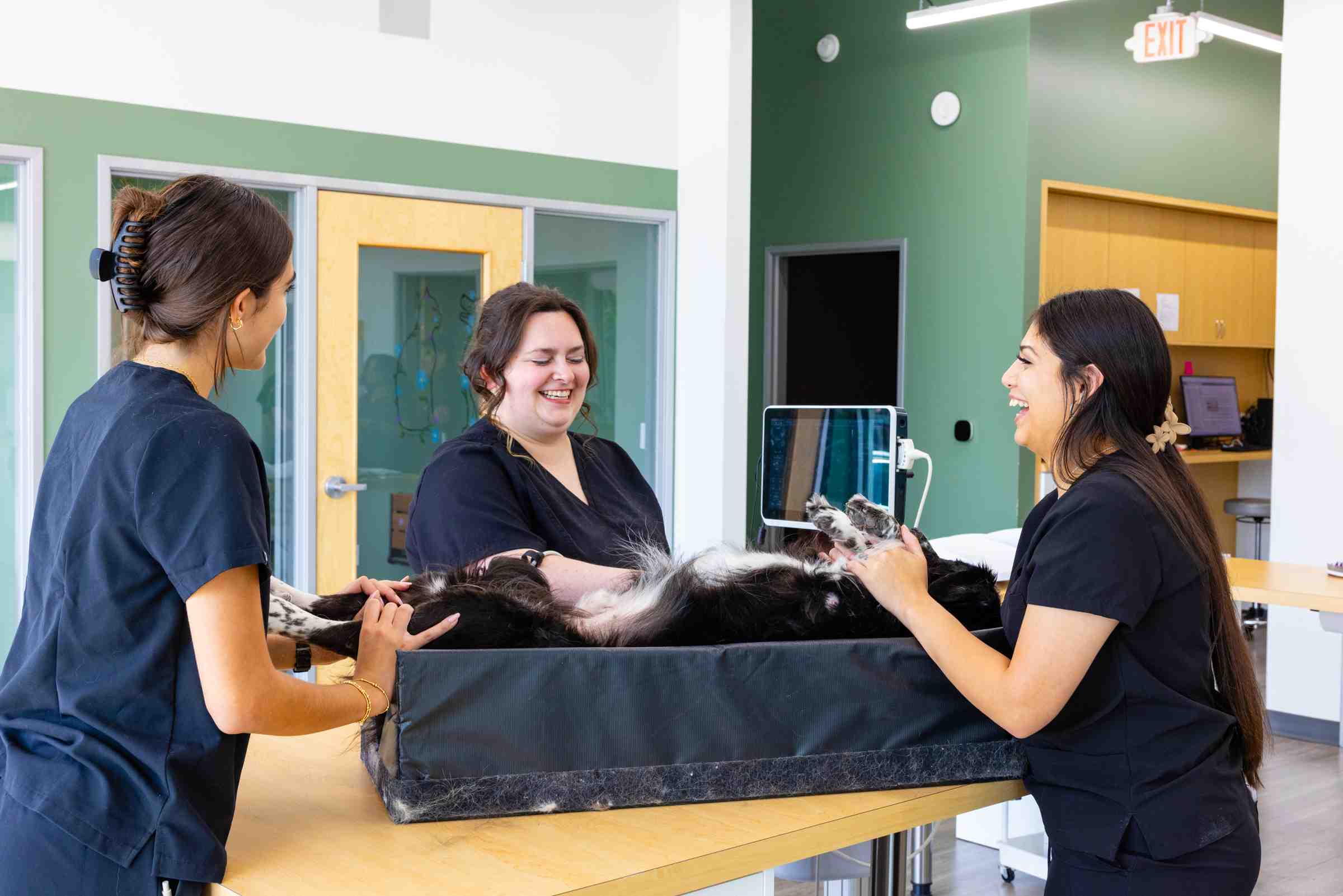
A veterinarian may recommend a veterinary echocardiogram when there is a reason to take a closer look at your pet’s heart. This non-invasive test provides detailed, moving images that can help evaluate the heart’s structure and function.
Read More
Read Less
Common reasons for recommending an echocardiogram include:
- A heart murmur
- An irregular heart rhythm
- Coughing
- Difficulty breathing
- Weakness or unusual tiredness
- Fainting or collapse
- Suspected heart disease
- Possible congenital heart abnormalities
- Abnormal findings on other diagnostic tests
- Monitoring an already diagnosed heart condition
A heart murmur does not automatically mean that your pet has significant heart disease. An echocardiogram can provide additional information to help your veterinarian determine what is happening inside the heart and whether further evaluation or treatment may be needed.
Veterinary Echocardiogram Near Me in Austin, TX
Echocardiogram for Dogs
A dog echocardiogram may be recommended when a dog has a heart murmur, suspected heart disease, abnormal cardiac findings, weakness, coughing, or breathing difficulties.
Read More Read Less
Echocardiogram for Cats
An echocardiogram may be recommended for cats with a heart murmur, breathing changes, weakness, reduced activity, or other signs of possible heart disease.
Read More Read Less
What Happens During a Veterinary Echocardiogram?
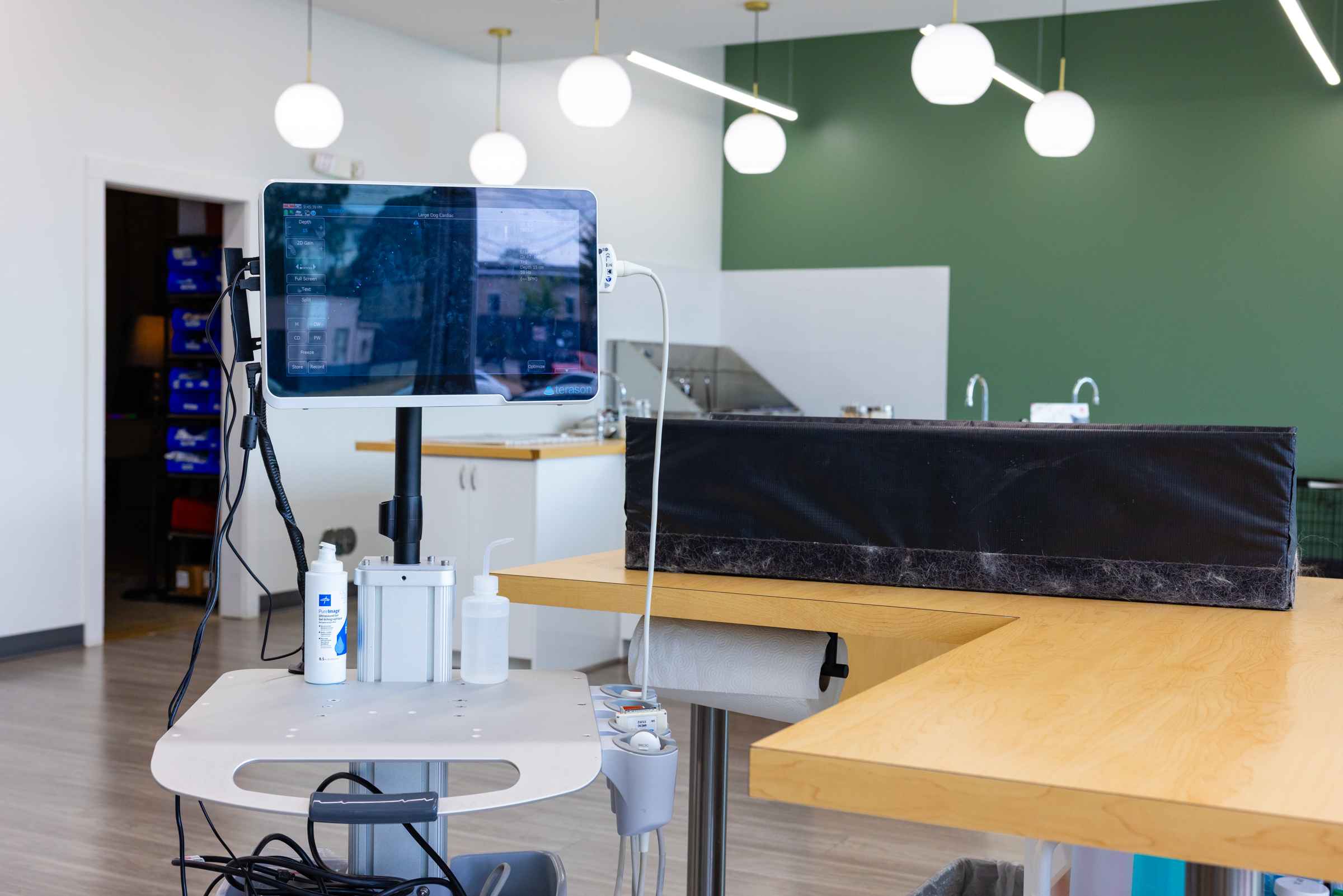
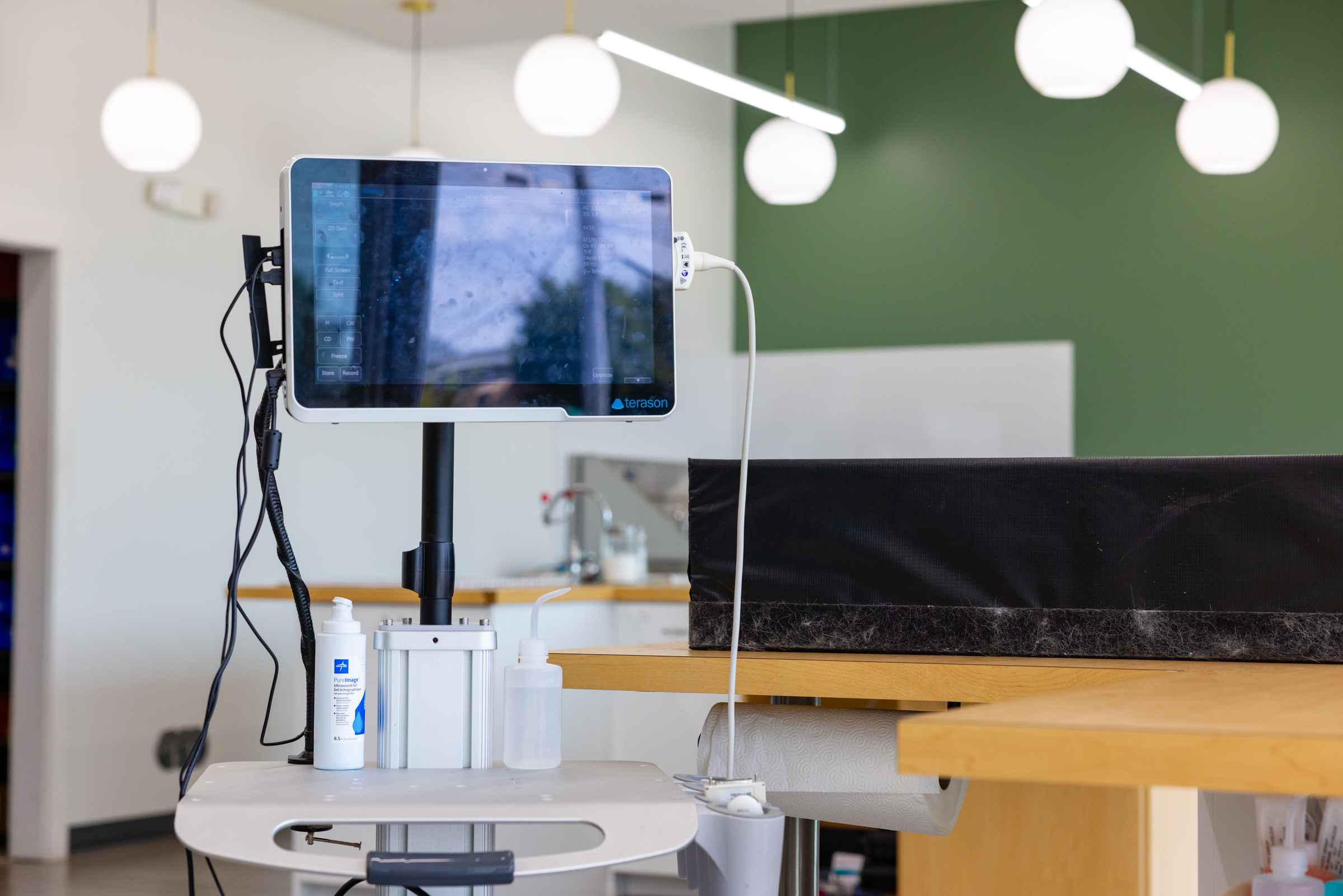
During a veterinary echocardiogram, your pet is gently positioned on a padded examination table, usually on their side. Ultrasound gel is applied to the chest, and a small probe is placed against the chest wall to obtain images of the heart.
Read More Read Less
How Long Does a Veterinary Echocardiogram Take?
The length of an echocardiogram varies depending on your pet and the complexity of the examination. Many cardiac ultrasound examinations take approximately 30 to 60 minutes, although some routine examinations may be completed more quickly. Your veterinary team can provide a more specific estimate when your pet’s appointment is scheduled.


Animal hospital payment options
Bring your pet to visit our animal hospital should be about their wellbeing, and not a financial burden to you. That’s why at Honnas, we offer free exams for new patients and a variety of payment options! We work with providers such as Cherry, Scratchpay, and CareCredit, to support your entire journey with your pet.
Our team of qualified vets and friendly vet techs
are here to look after your in our animal hospital,
7-days a week, 9am - 7pm.

How Should I Prepare My Pet for an Echocardiogram?
Preparation for a veterinary echocardiogram may vary depending on your pet’s health, medications, temperament, and the type of cardiac examination being performed. Our veterinary team will provide any instructions needed before your appointment.
Read More
Read Less
Before your appointment, our veterinary team may provide instructions regarding:
- Whether your pet should eat or fast before the echocardiogram
- Whether water is permitted
- Continuing or adjusting regular medications
- Any prescribed calming medication
- Bringing previous medical records, X-rays, or heart-related test results
- Arriving a few minutes early to help your pet settle in
- Any additional instructions specific to your pet
Most pets can undergo an echocardiogram without anesthesia or sedation. However, your veterinarian will let you know if additional preparation or sedation may be appropriate based on your pet’s individual needs.
Do not withhold food, water, or medications unless your veterinarian specifically instructs you to do so.
Results and Next Steps
Your pet’s echocardiogram results are considered alongside their medical history, physical examination, symptoms, and other diagnostic findings. This helps your veterinarian develop a more complete understanding of your pet’s heart health.
Read More
Read Less
Depending on the results and your pet’s individual needs, your veterinarian may recommend:
- Monitoring your pet’s heart health
- Medication
- Additional diagnostic testing
- Follow-up echocardiograms
- Treatment for an identified heart condition
- Referral to a veterinary cardiologist
Follow-up echocardiograms may be recommended for pets with diagnosed heart disease to monitor changes over time or evaluate how well treatment is working. Your veterinarian will discuss the findings with you and explain any recommended next steps based on your pet’s condition.
About Honnas Veterinary
Honnas Veterinary was founded in December 2023 by Dr. Cheri Honnas, a top-rated, AAHA-accredited and Fear Free Certified veterinarian in Austin. Dr. Honnas trained at Texas A&M School of Veterinary Medicine & Biomedical Sciences before opening her own clinic on South Lamar Blvd, where she leads a team of caring vets and vet techs. Honnas Veterinary is open 7 days a week and offers free new patient exams.

Over 700 paw-
sitive reviews!

ahaa
certified
PAY WITH CHERRY
AT HONNAS

Female Owned
Business
More Services
All of the vets at Honnas Veterinary are qualified and local, meaning they understand your pet and you. Our vet clinic is fully equipped with a pet pharmacy, ultrasound and x-ray equipment, a diagnostics center for bloodwork and sample inspections, we even have our own in-house veterinary surgery! Select from our range of veterinary services based on your needs, or contact us for help.
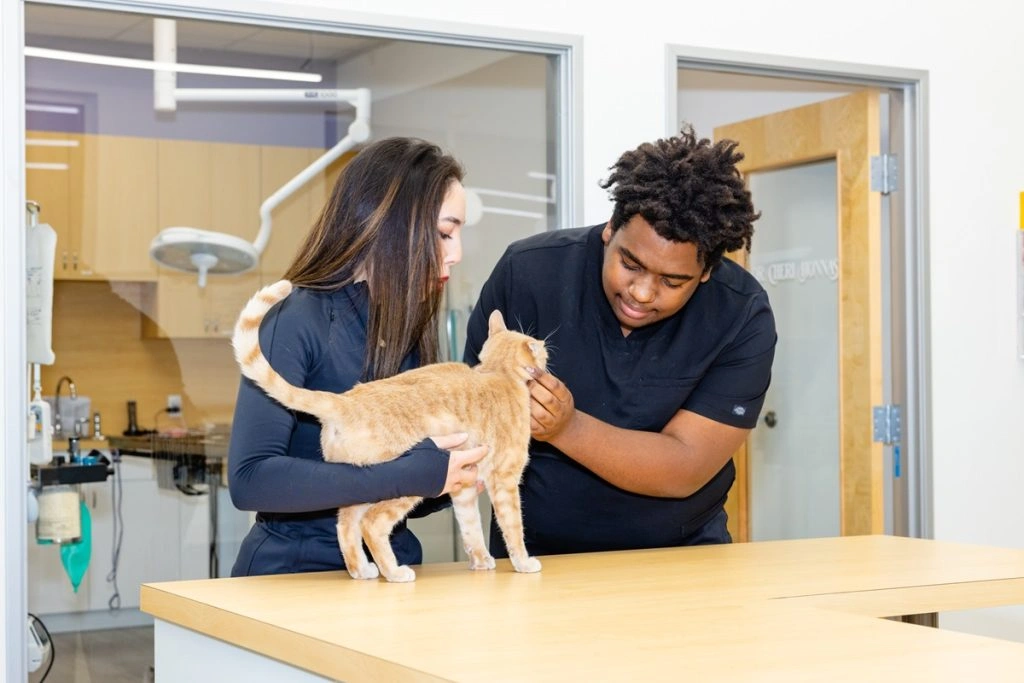
Emergency Vet
See an emergency vet at Honnas Veterinary’s state-of-the-art animal hospital in the heart of Austin, TX. We are open 7-days a week from 9am – 7pm. Our state-of-the-art animal hospital facilities include a veterinary surgery, x-ray and ultrasound equipment and a pet pharmacy, meaning we can care for your pet’s whole health and wellness, even in the event of a life-threatening emergency.
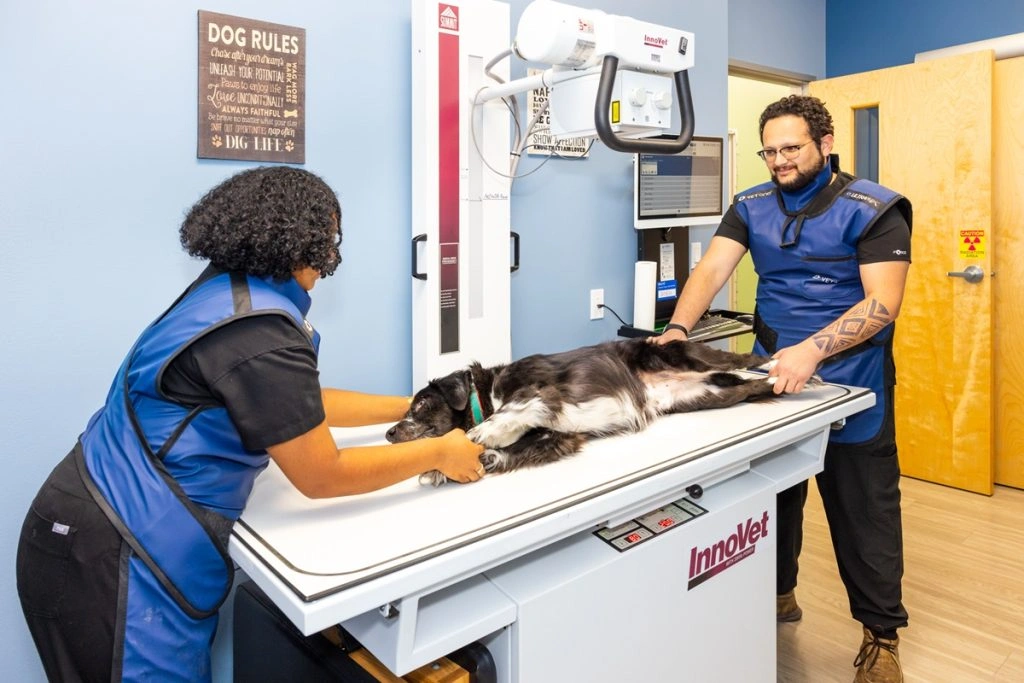
Illness and Injury
Pet illnesses and injuries are common and range from vomiting and diarrhea to eye injuries and limping from going outdoors and playing a little too rough! No matter what illness or injury your pet has, at Honnas Veterinary we have in house diagnostics, a veterinary surgery and a pet pharmacy all in house to get them well again.
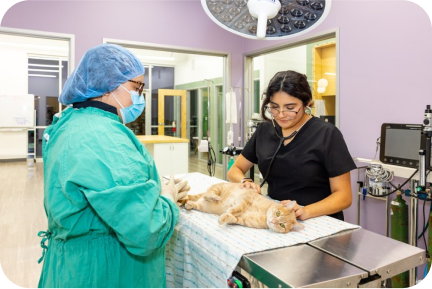
Veterinary Surgery
Your trusted partner in pet healthcare in Austin, TX, we understand that your pet is a beloved member of your family, and their health and well-being are paramount. Our dedicated team is committed to providing compassionate and comprehensive surgical care for your furry companions.

Pet Travel Certificate
Want to travel with your pet? We can help you get on your way! Get a USDA approved pet travel certificate from Honnas Veterinary. Our local vets are on the USDA approved registry!
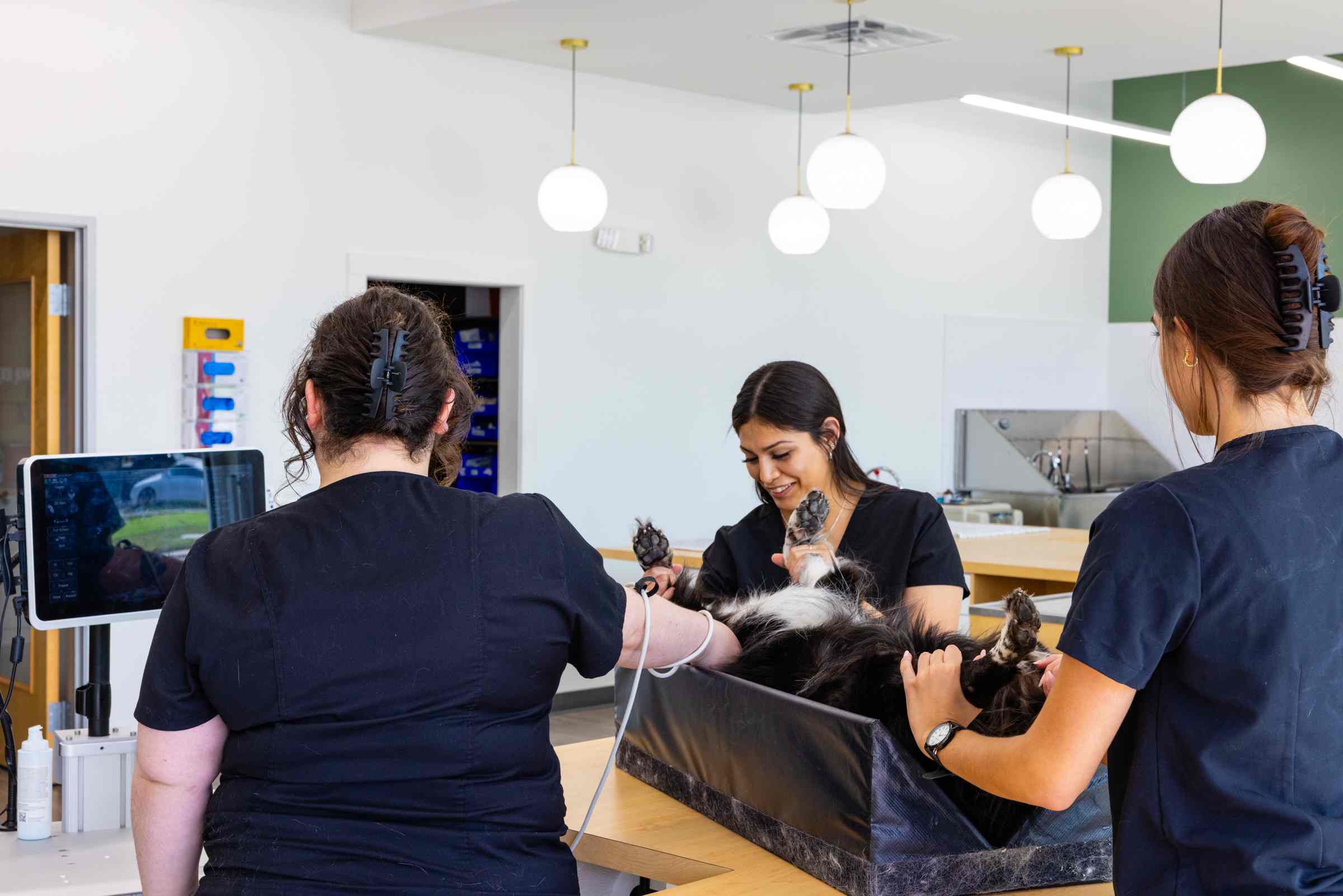
VETERINARY ULTRASOUND
Veterinary ultrasound offers a safe, non-invasive way to examine your pet’s internal organs and uncover potential health issues for informed treatment.
PET ECHOCARDIOGRAM
Get a clearer picture of your pet’s heart with an echocardiogram, helping our Austin veterinary team assess heart function and detect cardiac concerns.
Visit Us
1615 South Lamar Blvd, Austin, Texas 78704.
Open 7 days a week Monday – Sunday: 9am - 7pm