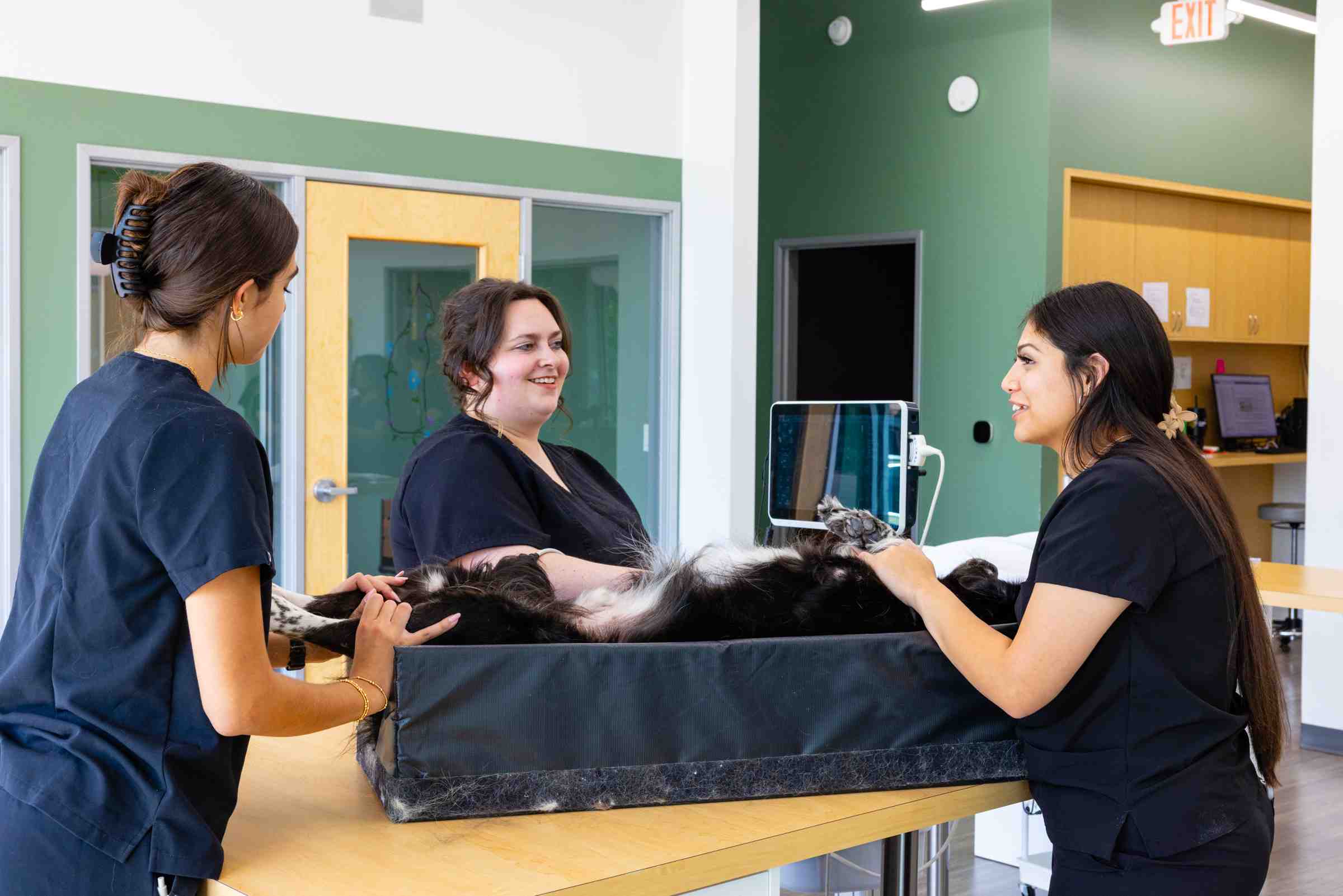
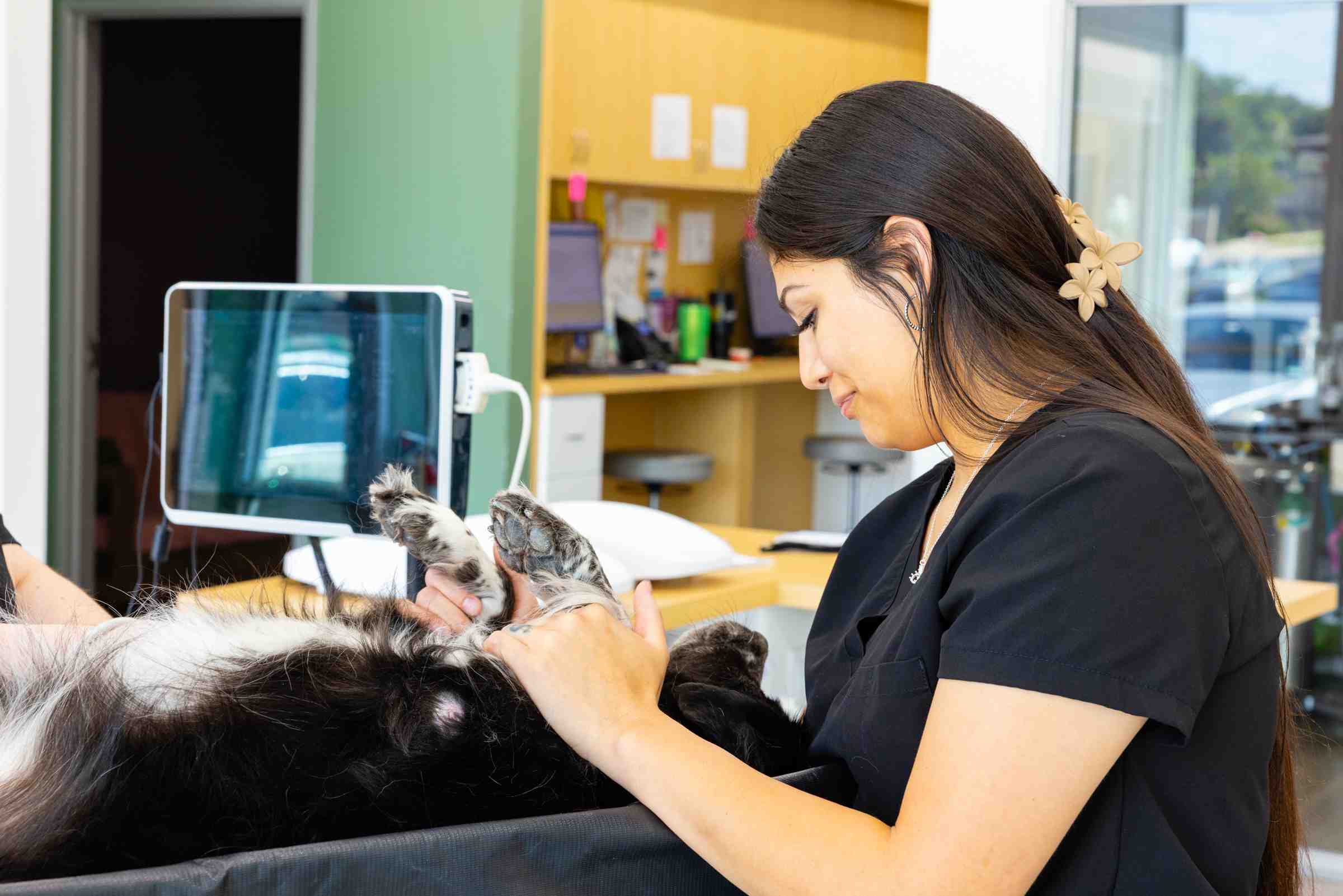
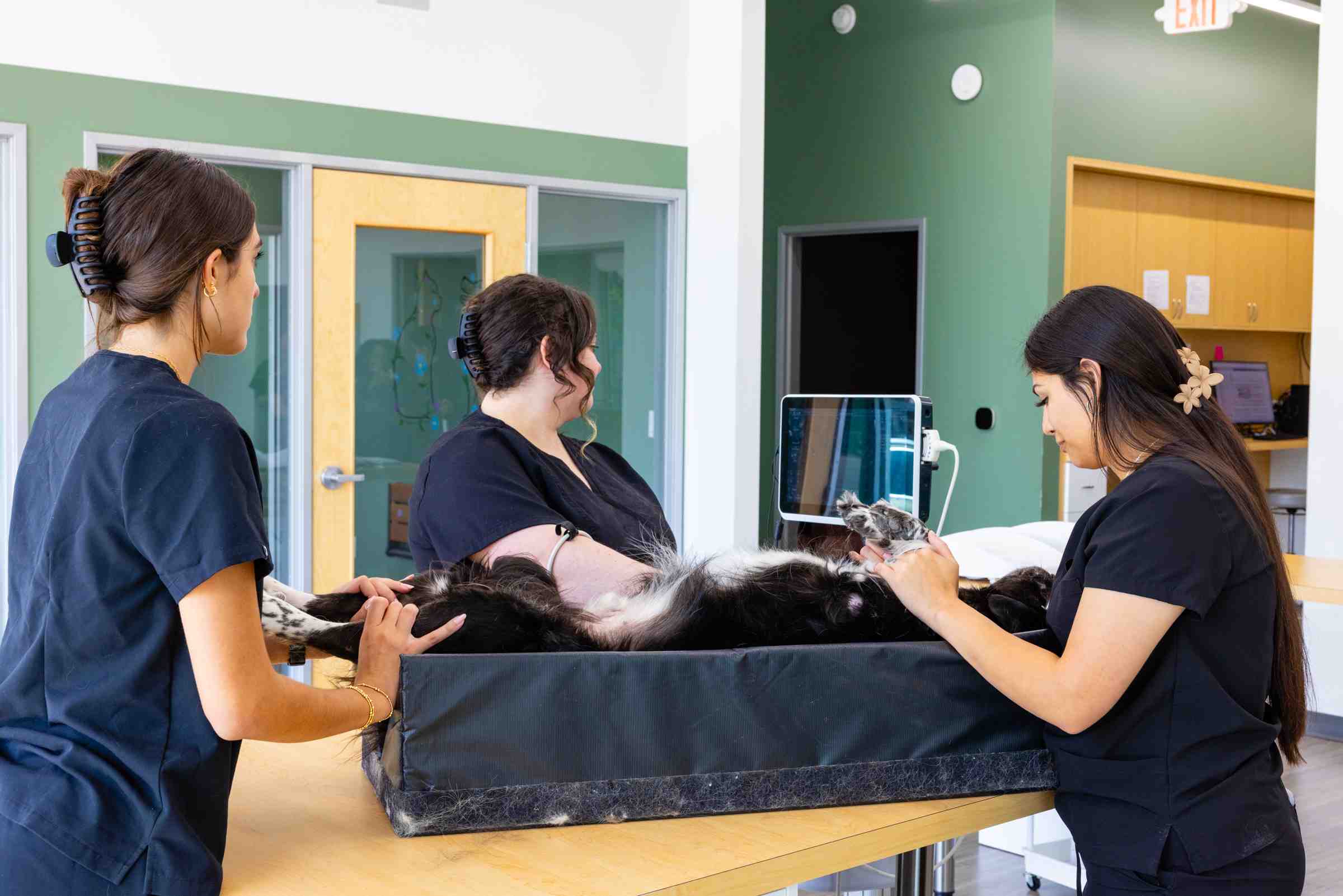
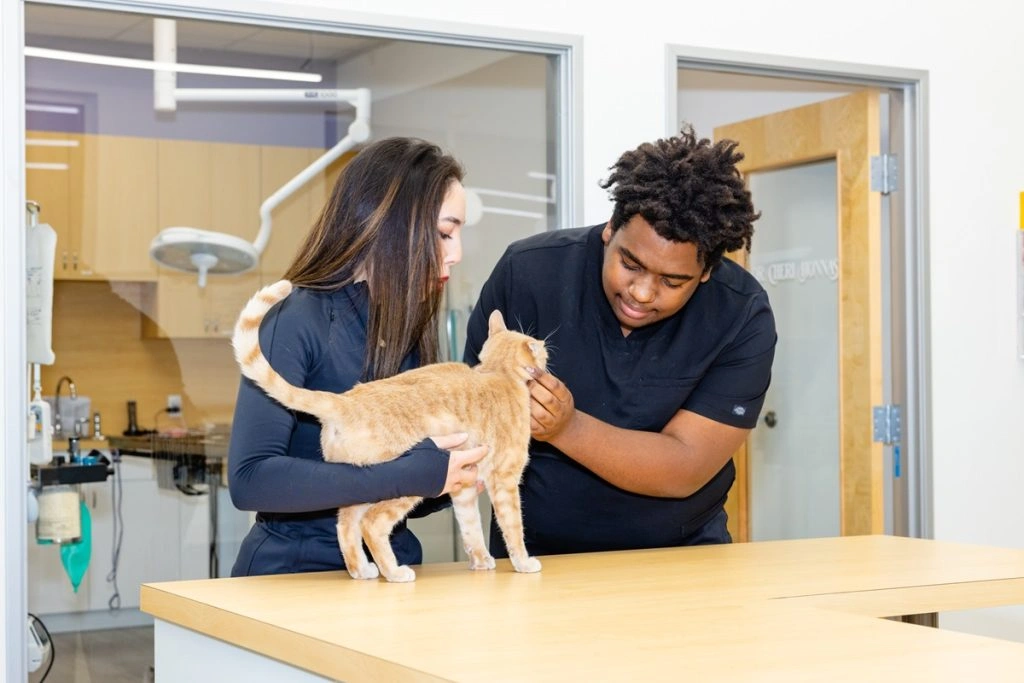
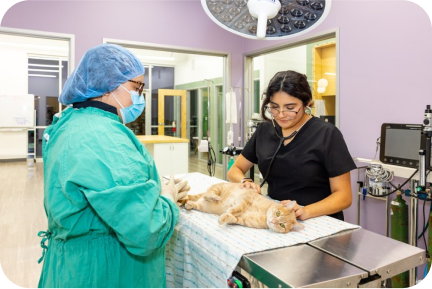
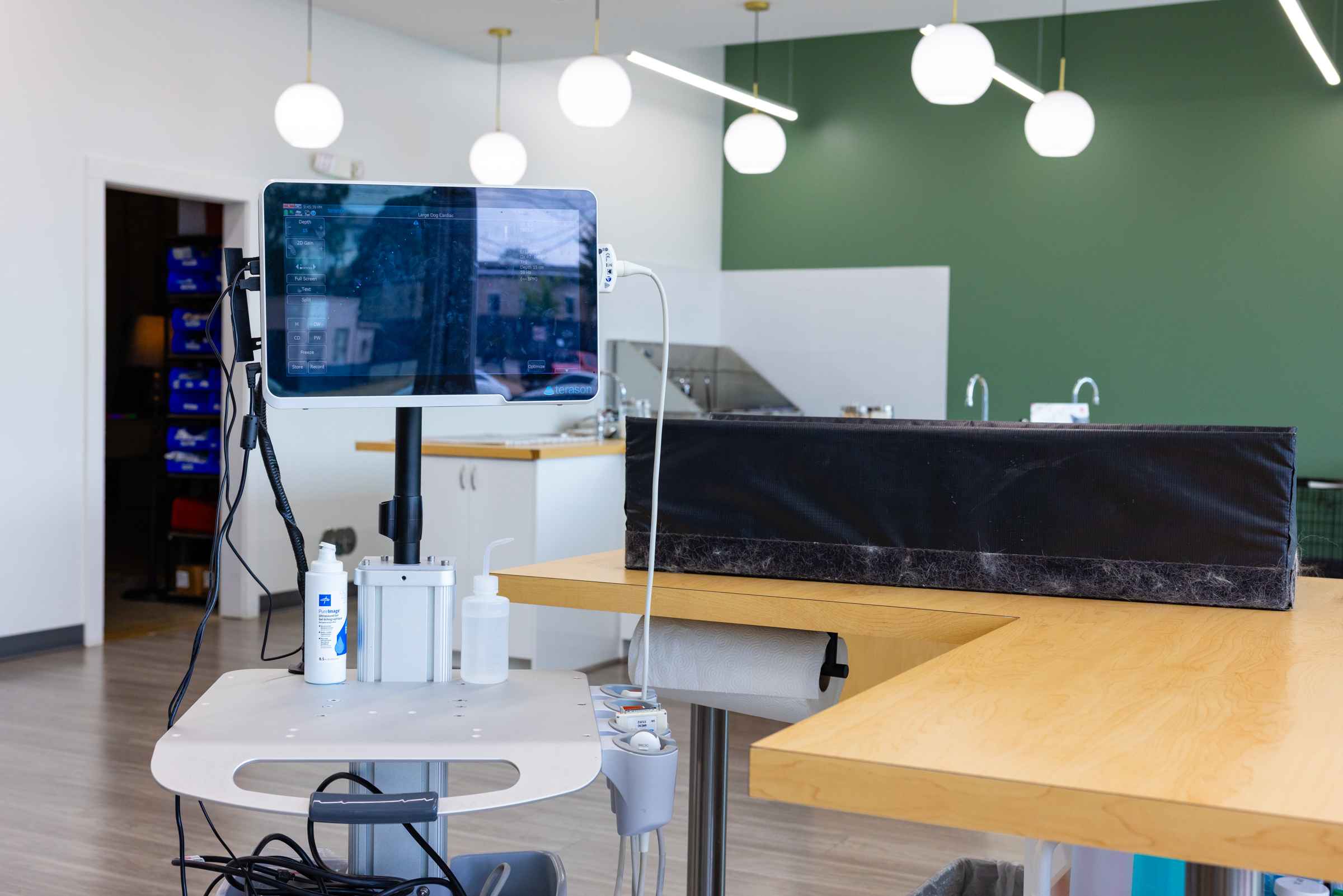
Veterinary ultrasound is a safe, non-invasive diagnostic tool that allows our veterinarians to examine your pet’s internal organs in real time. At Honnas Veterinary, ultrasound may be recommended as part of a diagnostic evaluation when a pet is experiencing unexplained symptoms or when additional information is needed following a physical examination, bloodwork, or X-rays. Our Austin veterinary team uses ultrasound to help pinpoint what’s going on inside your pet so we can recommend the right next step for their care.
Ultrasound imaging gives our veterinarians a closer look at what’s happening beneath the surface without making an incision or exposing your pet to radiation. It’s one of several tools we use to build a complete picture of your pet’s health.
Read More Read Less
Uses sound waves to create images of internal organs
Does not use radiation
Provides real-time images
Can evaluate the structure, size, and movement of organs
Often complements X-rays, laboratory testing, and physical examinations
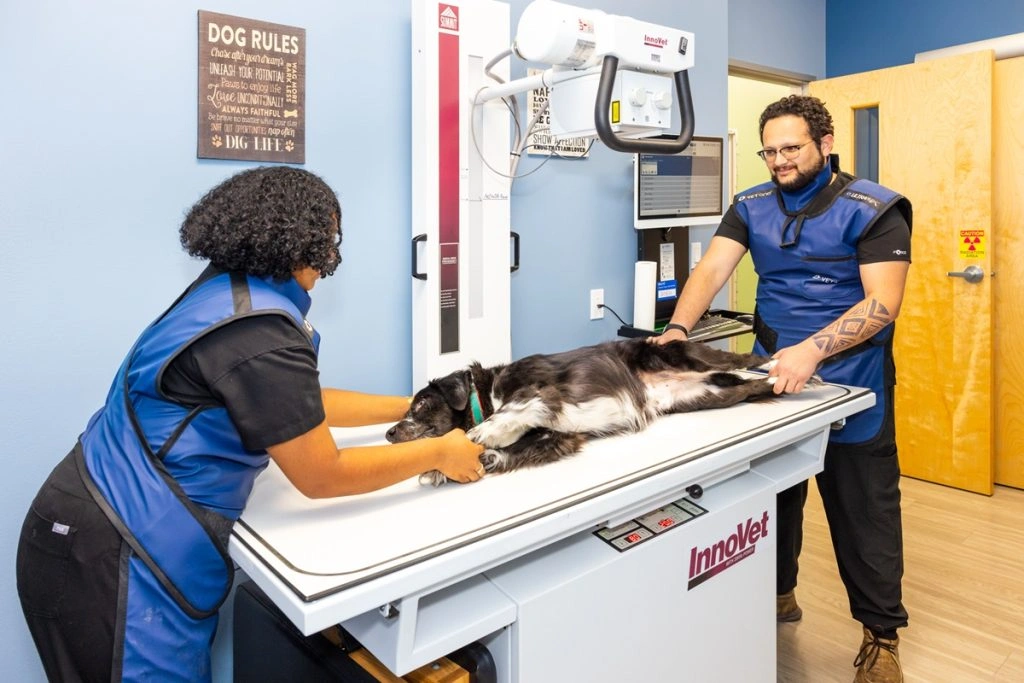
Ultrasound isn’t a replacement for X-rays; it’s a different lens. X-rays are especially useful for bones and certain chest or abdominal conditions, while ultrasound excels at showing soft tissue detail and organ movement in real time. Your veterinarian decides which tool, or combination of tools, will answer the questions your pet’s case raises as part of our in-house illness and injury diagnostics.
Liver and gallbladder: evaluating size, structure, and signs of disease
Kidneys and adrenal glands: assessing shape, size, and function-related changes
Bladder: checking for stones, thickening, or masses
Spleen: looking for enlargement or abnormal tissue
Stomach and intestines: investigating obstructions, thickening, or inflammation
Pancreas: evaluating for inflammation or other abnormalities
Reproductive organs: including pregnancy confirmation and monitoring
Abdominal lymph nodes: checking for enlargement
Masses, abnormal tissue, or fluid: identifying and characterizing findings from a physical exam or bloodwork
Why would a veterinarian order an ultrasound?
An ultrasound is typically ordered to investigate symptoms, follow up on abnormal bloodwork or X-ray findings, or get a closer look at a specific organ or area of concern.
What can a veterinary ultrasound detect?
Ultrasound can help identify changes in organ size, shape, and texture, as well as masses, fluid accumulation, stones, and other structural abnormalities.
Is an ultrasound safe for dogs and cats?
Yes. Ultrasound uses sound waves rather than radiation and is considered a safe, non-invasive diagnostic tool for both dogs and cats.
Does my pet need to be sedated?
Not always. Many pets tolerate the procedure well without sedation. Light sedation may be used if needed for the pet’s comfort or to keep them still for clear imaging.
Why does my pet's fur need to be shaved?
A small area of fur is clipped so the ultrasound probe can make direct contact with the skin, which produces clearer, more accurate images.
What is the difference between an ultrasound and an X-ray?
X-rays are especially useful for evaluating bones and certain chest or abdominal conditions, while ultrasound is better suited to examining soft tissue and organ detail in real time. Many pets benefit from a combination of both.
How much does a veterinary ultrasound cost?
The cost of a veterinary ultrasound can vary depending on the area being examined, whether sedation is needed, and the complexity of the case. Please contact Honnas Veterinary directly for current pricing information.
Why Might My Pet Need an Ultrasound?
Veterinarians typically recommend an ultrasound to investigate specific symptoms or follow up on findings from an earlier exam. Common reasons include:
Read More Read Less
Persistent vomiting or diarrhea
Abdominal pain or swelling
Unexplained weight loss
Loss of appetite
Abnormal bloodwork
Changes in urination
Suspected bladder or kidney stones
Possible intestinal obstruction
Pregnancy evaluation
Unexplained fluid in the abdomen or chest
Monitoring an existing medical condition
Investigating a suspected mass or abnormal organ
These symptoms do not necessarily mean your pet needs an ultrasound. Your veterinarian will recommend appropriate diagnostic testing based on your pet’s examination and medical history.
Concerned about a symptom your pet is showing? Schedule an exam with Honnas Veterinary and let our team determine the right diagnostic path.
X-rays and ultrasound provide different types of information, and your veterinarian may recommend one or both depending on your pet’s condition.
Read More Read Less
X-Rays
Ultrasound
Particularly useful for bones and certain chest or abdominal conditions
Particularly useful for examining soft tissues and internal organs
Produces still, two-dimensional images
Produces real-time images
Uses a small amount of radiation
Uses sound waves
Often performed first
May be recommended to investigate a finding in greater detail
Many pets benefit from both. Depending on what your veterinarian finds during the physical exam and any initial imaging, they may recommend an X-ray, an ultrasound, or a combination of the two to get a complete picture of your pet’s health.
An ultrasound is a non-invasive diagnostic procedure that allows our veterinarians to examine your pet’s internal organs and tissues in real time.
Read More Read Less
The veterinarian reviews the pet’s symptoms, medical history, and previous test results.
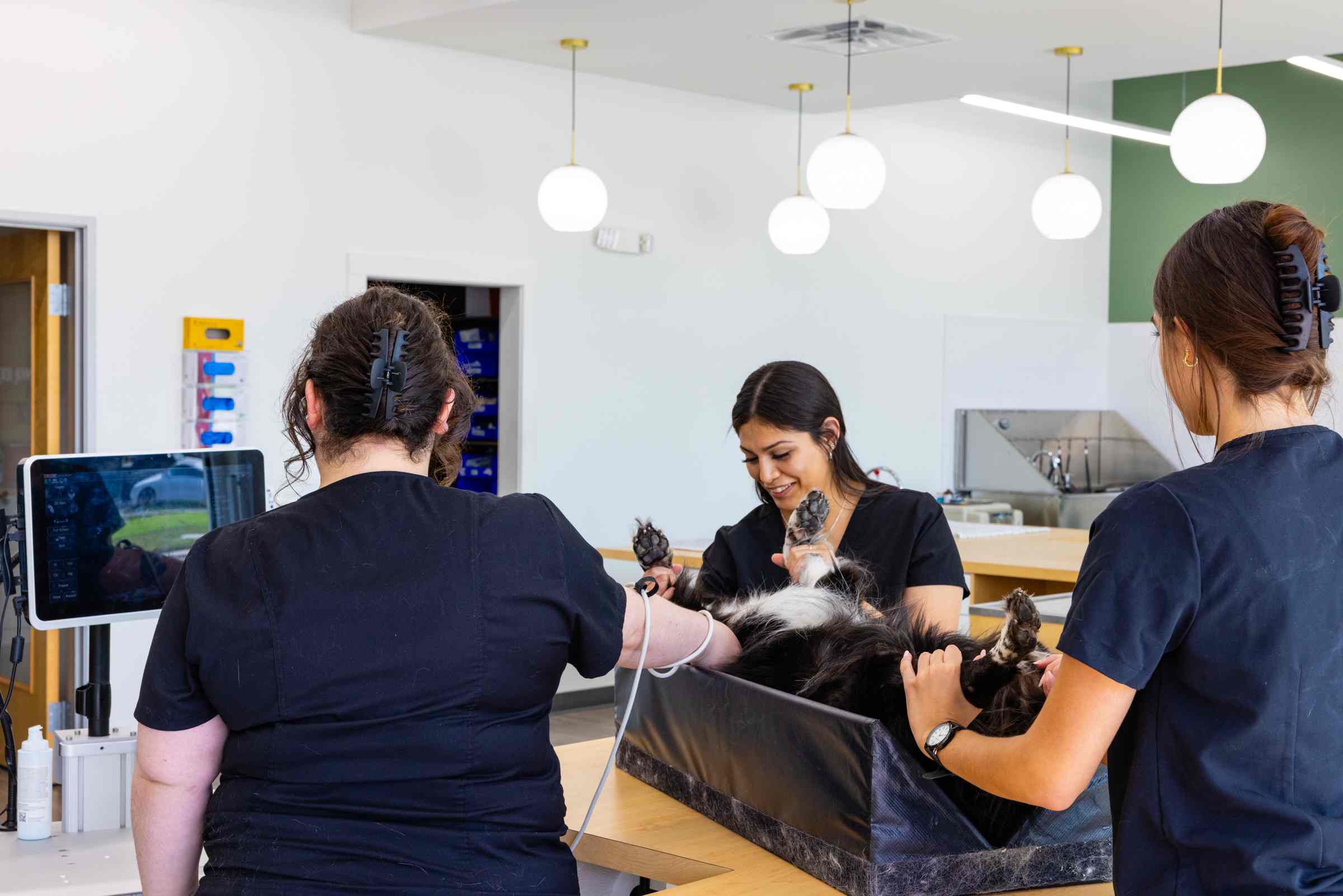
A small area of fur may need to be clipped to allow the ultrasound probe clear contact with the skin.
The pet is positioned comfortably on a padded surface.
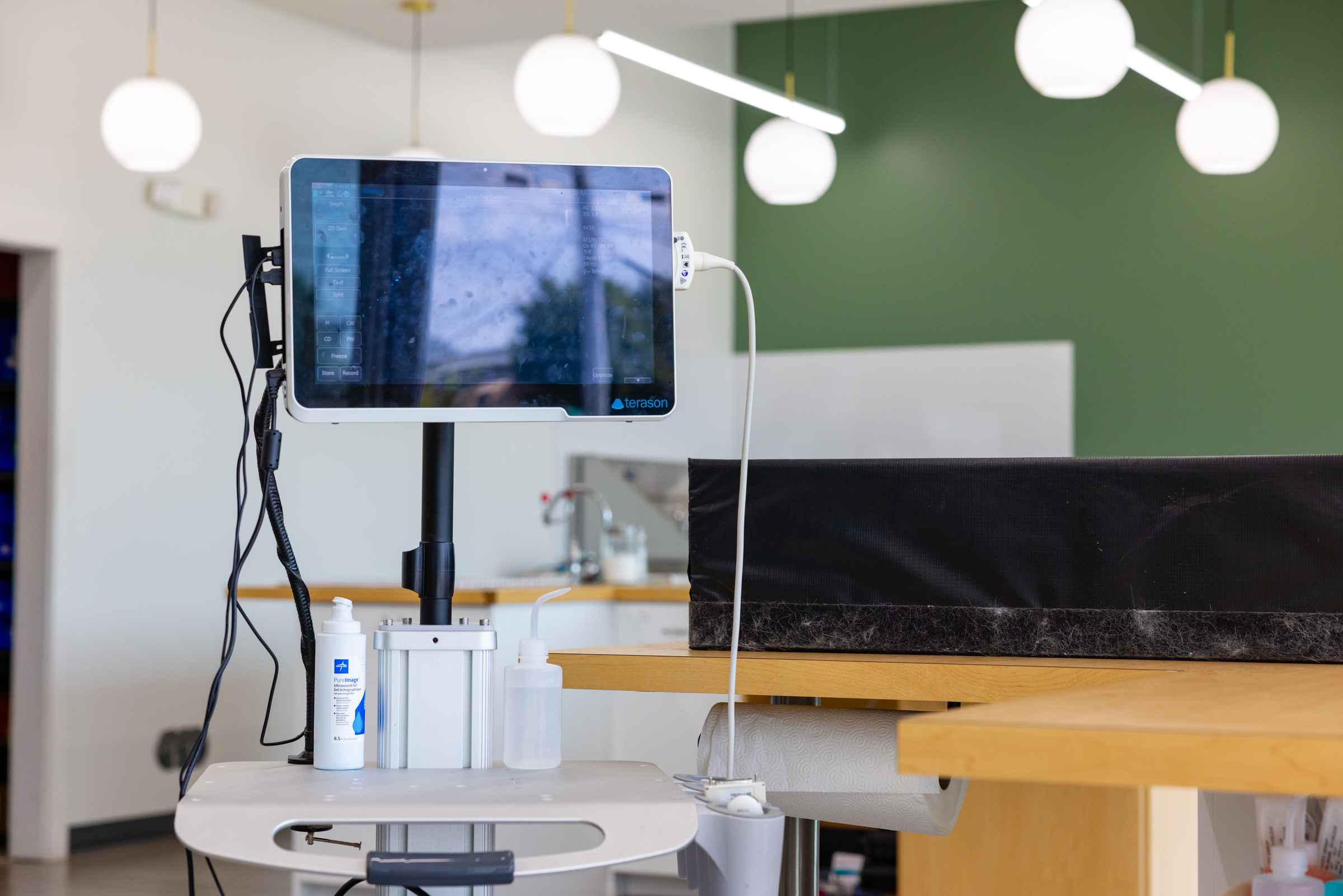
Gel is applied to the skin to help produce clear images.
The veterinarian or sonographer moves the ultrasound probe over the area being examined.
The images are reviewed and the findings are discussed with the owner.
Ultrasounds at Honnas Veterinary are performed in-house at our animal hospital and vet clinic, so your pet does not need to be transferred to an outside facility for this diagnostic step.
Many pets can have an ultrasound without sedation. However, light sedation may be recommended if a pet is anxious, uncomfortable, or unable to remain still. The veterinarian will determine the safest approach based on the individual patient and the type of examination being performed.
Bring your pet to visit our animal hospital should be about their wellbeing, and not a financial burden to you. That’s why at Honnas, we offer free exams for new patients and a variety of payment options! We work with providers such as Cherry, Scratchpay, and CareCredit, to support your entire journey with your pet.
Every pet and every ultrasound is a little different, so please follow the specific instructions provided by our team when your appointment is scheduled. In general, preparation may include:
Read More Read Less
Whether food should be withheld beforehand
Whether water is permitted
Any medication instructions specific to your pet
Arriving with a full bladder, if required for the exam
Bringing any previous medical records or imaging from other veterinarians
Expected appointment length
Honnas Veterinary will advise you on exactly what to do ahead of your pet’s appointment, so please follow the preparation instructions given by our team rather than general advice found online.
The ultrasound findings are considered alongside your pet’s physical examination, medical history, laboratory results, and other diagnostic imaging. Depending on the findings, the veterinarian may recommend treatment, monitoring, additional testing, a sample or biopsy, or referral to a specialist.
Honnas Veterinary was founded in December 2023 by Dr. Cheri Honnas, a top-rated, AAHA-accredited and Fear Free Certified veterinarian in Austin. Dr. Honnas trained at Texas A&M School of Veterinary Medicine & Biomedical Sciences before opening her own clinic on South Lamar Blvd, where she leads a team of caring vets and vet techs. Honnas Veterinary is open 7 days a week and offers free new patient exams.
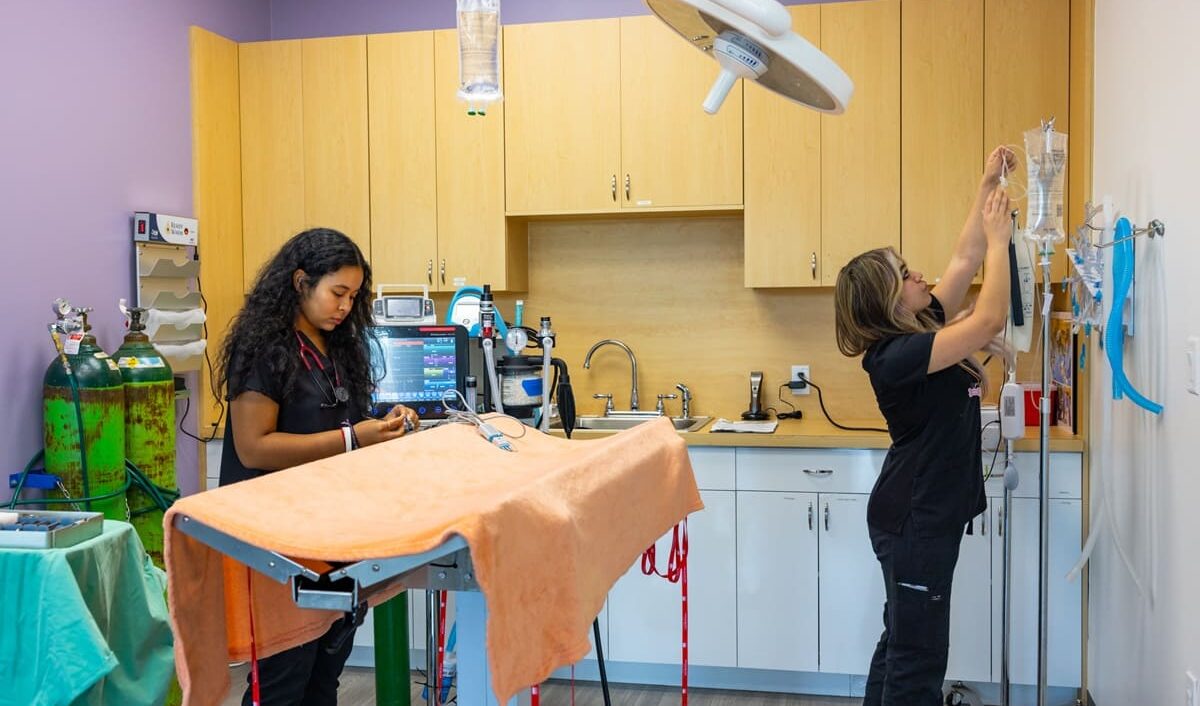
All of the vets at Honnas Veterinary are qualified and local, meaning they understand your pet and you. Our vet clinic is fully equipped with a pet pharmacy, ultrasound and x-ray equipment, a diagnostics center for bloodwork and sample inspections, we even have our own in-house veterinary surgery! Select from our range of veterinary services based on your needs, or contact us for help.
See an emergency vet at Honnas Veterinary’s state-of-the-art animal hospital in the heart of Austin, TX. We are open 7-days a week from 9am – 7pm. Our state-of-the-art animal hospital facilities include a veterinary surgery, x-ray and ultrasound equipment and a pet pharmacy, meaning we can care for your pet’s whole health and wellness, even in the event of a life-threatening emergency.
Pet illnesses and injuries are common and range from vomiting and diarrhea to eye injuries and limping from going outdoors and playing a little too rough! No matter what illness or injury your pet has, at Honnas Veterinary we have in house diagnostics, a veterinary surgery and a pet pharmacy all in house to get them well again.
Your trusted partner in pet healthcare in Austin, TX, we understand that your pet is a beloved member of your family, and their health and well-being are paramount. Our dedicated team is committed to providing compassionate and comprehensive surgical care for your furry companions.
Want to travel with your pet? We can help you get on your way! Get a USDA approved pet travel certificate from Honnas Veterinary. Our local vets are on the USDA approved registry!
Veterinary ultrasound offers a safe, non-invasive way to examine your pet’s internal organs and uncover potential health issues for informed treatment.
Get a clearer picture of your pet’s heart with an echocardiogram, helping our Austin veterinary team assess heart function and detect cardiac concerns.