
Noticing your dog squinting one eye can be alarming, and rightly so. If your dog is squinting in one eye suddenly, it is almost always a sign of significant eye pain or discomfort, not an affectionate wink. While it sometimes signals a minor irritant, a dog squinting in one eye can also point to painful conditions that worsen quickly without treatment. Whether the squinting came on gradually or your dog is squinting in one eye suddenly, understanding the likely cause helps you act faster and protect their vision.
Common Causes of One-Eye Squinting in Dogs
1. Foreign Objects
Dust, grass awns, or debris lodged in the eye are among the most frequent culprits when a dog keeps squinting one eye. Even a tiny particle can cause intense irritation and discomfort.
2. Corneal Ulcers
A scratch or open sore on the surface of the eye is extremely painful and one of the most serious reasons a dog squints in one eye. Corneal ulcers typically form after an acute traumatic event, such as a scratch from a cat’s claw or a bump against a branch, or as a complication of dry eye (keratoconjunctivitis sicca), where reduced tear film leaves the corneal surface vulnerable to damage. The ulcer develops when scratching or rubbing causes a loss of the epithelial cells that protect the front of the eye.
Because the cornea has no direct blood supply of its own, healing depends heavily on supportive treatment. Vets often diagnose ulcers using a fluorescein dye test: a few drops are placed in the eye, and a UV light is shone on the surface. A healthy cornea will not absorb the dye, but any ulcerated area takes up the dye and glows bright green under the light, confirming the diagnosis.
Treatment commonly includes antibiotic drops or ointments to prevent secondary infection, along with medications that support healing of the corneal surface. In some cases, vets use autologous serum drops, prepared from the dog’s own blood, since the serum carries growth factors that can speed healing of a surface with no blood supply of its own. Most superficial ulcers heal within 3 to 5 days with appropriate treatment; ulcers that haven’t improved within 7 days often need further workup, as certain breeds are more prone to slow-healing or non-healing ulcers. Corneal ulcers typically fall under illness and injury management and require professional diagnosis. They should not be left to resolve on their own.
3. Eye Infections
Bacterial or viral infections produce redness, swelling, and discharge alongside squinting. These usually require prescription treatment from a vet clinic.
4. Conjunctivitis
Pink eye, the inflammation of the membrane lining the eyelids, causes redness, swelling, and squinting. It spreads easily in multi-pet households and warrants prompt attention.
5. Glaucoma
Increased pressure inside the eye leads to persistent pain, redness, and squinting. Left untreated, glaucoma can cause permanent vision loss, making this one of the conditions where waiting is not an option.
6. Allergies
Pollen, dust, and mold can cause itching and eye irritation in dogs, particularly during seasonal changes. Allergy-related squinting often affects both eyes, though one may appear more affected.
7. Dry Eye
Insufficient tear production leaves the eye dry, irritated, and prone to squinting or frequent blinking. Chronic dry eye also increases the risk of corneal ulcers.
8. Lens Luxation
Less commonly, the lens inside the eye can shift out of its normal position. Lens luxation is both painful and vision-threatening, and it often requires emergency veterinary surgery to relieve pressure and try to save the eye.
9. Uveitis
Uveitis is inflammation inside the eye that can signal local trauma or infection, but it can also be a sign of systemic disease elsewhere in the body, including autoimmune conditions, cancer, or tick-borne illness. A dog with uveitis may need bloodwork in addition to an eye exam to identify the underlying cause.
Breed-Specific Risk Factors
Certain breeds are more prone to painful eye conditions. Brachycephalic, or flat-faced, breeds such as Pugs, Bulldogs, and Shih Tzus have prominent eyes and shallow eye sockets, which make them more susceptible to corneal injuries and, in severe trauma, even displacement of the eye itself. Other breeds carry a higher genetic risk for glaucoma, lens luxation, or eyelid abnormalities like entropion that cause chronic rubbing on the cornea. Knowing your dog’s breed-specific risks can help you recognize a problem early and seek care before it becomes an emergency.
Dog Squinting One Eye With No Discharge: What It Means
If your dog is squinting in one eye with no discharge, the cause is more likely mechanical, such as a foreign object, a corneal scratch, early glaucoma, or dry eye, rather than an active infection. The absence of discharge does not mean the condition is minor. Pain-only presentations, especially sudden ones, can indicate serious pressure changes inside the eye and should still be evaluated by a veterinarian in Austin.
My Dog Is Squinting in One Eye Suddenly: Is It an Emergency?
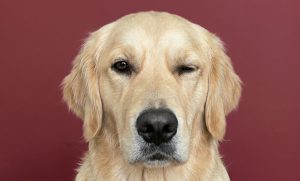
Sudden one-eye squinting deserves quick attention, since several of the most serious causes, including corneal ulcers, glaucoma, and lens luxation, can develop and worsen within hours. If your dog is squinting in one eye suddenly with no obvious injury, don’t wait to see if it resolves on its own. A same-day exam allows your vet to rule out vision-threatening conditions and start treatment, such as antibiotic drops or pressure-lowering medication, while there’s still time for it to work.
Dog Squinting One Eye Home Remedy Options (and Their Limits)
Some mild irritation can be managed at home while you arrange a vet appointment. These are not substitutes for a professional exam at an animal hospital, and should never delay care if symptoms are worsening.
Saline flush: Gently rinse the eye with sterile saline to dislodge surface debris. A simple homemade version uses ¼ teaspoon of salt dissolved in ¼ cup of warm water. Use a clean dropper or soaked cotton ball.
Warm compress: A warm, not hot, compress held gently over the closed eye can ease mild irritation and reduce swelling.
Keep the area clean: Trim any long hair around the eye and gently wipe away crust or debris with a damp cloth a few times daily.
Use an Elizabethan collar: If your dog is pawing at the eye, a cone prevents further damage while you wait for your appointment.
Important: Never use human eye drops, steroid drops, or leftover medications. Also avoid topical anesthetic drops at home even if you have leftovers from a prior vet visit; these are toxic to the cornea with repeated use and can delay healing. These products can make specific underlying conditions significantly worse.
When to Contact Your Veterinarian Immediately

Home care has real limits. Contact Honnas Veterinary right away, or visit our emergency vet service, if you notice any of the following:
- Squinting that starts suddenly or worsens within hours, especially if your dog is squinting in one eye suddenly with no clear cause
- Visible discharge, whether clear, yellow, or green
- Cloudiness or a bluish haze over the eye
- Redness or swelling of the eyelid or surrounding tissue
- Pawing at the face or rubbing the eye against furniture
- Behavioral changes such as avoiding light, bumping into objects, or reduced activity
In cases involving trauma or a structural problem, veterinary surgery may be recommended to prevent lasting damage.
When a General Vet Isn’t Enough: Seeing a Veterinary Ophthalmologist
Most cases of dog squinting can be diagnosed and treated by your regular vet clinic. However, deep or non-healing ulcers, advanced glaucoma, lens luxation, or eyelid abnormalities like entropion sometimes need a referral to a veterinary ophthalmologist for specialized surgery or advanced diagnostics. If your dog’s squinting isn’t improving on the expected timeline, or your vet recommends a specialist, don’t delay that referral; for several of these conditions, the window to save vision is narrow.
Protect Your Dog’s Eye Health Year-Round
Routine wellness visits are the most reliable way to catch eye conditions before they become emergencies. Keeping vaccinations current through our pet wellness clinic also helps prevent infections that can affect the eyes. And don’t overlook pet dentistry, as dental disease is a documented contributor to facial and ocular infections in dogs.
Final Thoughts
A dog squinting in one eye is not something to brush aside. Whether it turns out to be a fleeting irritation or a condition that needs treatment, early attention leads to better outcomes and less pain for your dog. If your dog keeps squinting one eye, or you’re asking yourself why is my dog squinting in one eye after it came on suddenly, reach out to the team at Honnas Veterinary for expert, compassionate care in Austin, TX.