

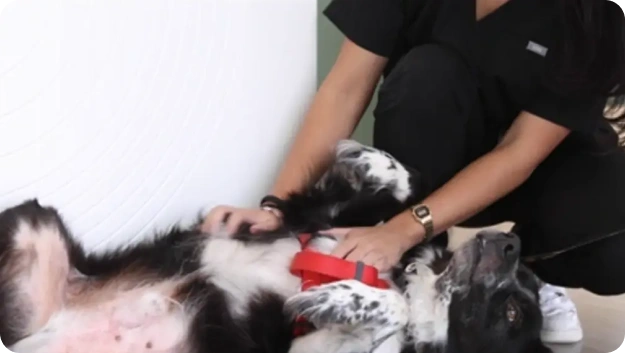
Dog UTI Symptoms
UTI symptoms can be subtle at first, so it helps to know what to watch for. Common signs include:
- Frequent attempts to urinate, or straining to pee
- Passing only small amounts of urine
- Blood in the urine, or cloudy, strong smelling urine
- Accidents in the house, even in a fully house trained dog
- Excessive licking of the genital area
- Low energy, reduced appetite, or general lethargy
These symptoms can overlap with other conditions, including bladder stones and urinary blockages, so a proper diagnosis matters. If you notice any of these signs, our team can run in house diagnostics to confirm what is going on before recommending treatment.
What Causes Dog UTIs?
Dog UTIs are usually caused by bacteria, most often E. coli, entering the urinary tract. Other contributing factors include:
- Bacterial infections: Bacteria can travel from the gastrointestinal tract into the urinary system.
- Anatomical differences: Some dogs are simply more prone to infection based on their anatomy.
- Weakened immune system: Dogs with diabetes or other chronic conditions face higher risk.
- Poor hygiene: Bacterial buildup around the genital area can lead to infection.
- Dehydration: Not drinking enough water concentrates the urine, which helps bacteria grow. This is especially important in a hot state like Texas, so fresh water should always be available.
Home Remedy for Dog UTI: Female Dogs
Female dogs are more prone to UTIs than males because they have a shorter urethra, which gives bacteria a shorter distance to travel to reach the bladder. Female dogs also groom themselves by licking, including around the vulva, and if there is bacteria in the mouth it can transfer during grooming.
Supportive steps that matter most for female dogs include:
- Extra hygiene attention. Gently wipe the genital area with a pet safe, unscented wipe after your dog urinates, and keep the area dry.
- Trim longer fur around the genital area if your dog has a longer coat, since trapped moisture and debris make bacterial buildup more likely.
- Spay status matters. If your female dog is not spayed, talk to us about how that may affect recurring infection risk. Our spay and neuter clinic can walk you through the options.
- Cranberry supplements, covered in the supplements section below, are especially well studied for reducing bacterial adhesion in female dogs prone to recurrent UTIs.
Home Remedy for Dog UTI: Male Dogs
Male dog UTIs are less common but should never be assumed to be “just a UTI” without a look from a vet, because male dogs are also at risk for urinary blockages, which can look identical to a UTI in the early stages but are a true emergency.
Watch closely for these differences in male dogs:
- Unneutered males and older male dogs are more likely to develop prostate related urinary issues, which can mimic or contribute to UTI symptoms.
- Straining with little or no urine produced in a male dog is a red flag for a possible urinary blockage, not just an infection. This can become life threatening within hours if the bladder cannot empty.
- If your male dog is straining, crying out, or unable to urinate at all, do not wait. Call our emergency vet line right away or bring your dog to our animal hospital in Austin immediately.
Home support for a male dog with a confirmed, uncomplicated UTI is similar to general care below: more water, more bathroom breaks, and vet approved supplements. The key difference is a lower threshold for getting a same day exam, since blockage risk in male dogs is not something to manage at home.
Immediate Supportive Care
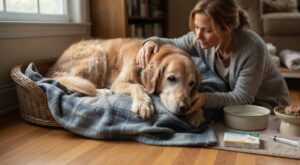
These simple steps support recovery for any dog while you are working with your vet on treatment:
- Increase water intake. Add a splash of low sodium bone broth to the water bowl, or try a pet water fountain, to encourage more drinking and help flush bacteria out of the bladder.
- Switch to or add wet food. Canned food, or warm water mixed into kibble, adds moisture that supports urine flow.
- More frequent bathroom breaks. Letting your dog out often prevents urine from sitting in the bladder, where bacteria can multiply.
- Maintain hygiene. Wipe the genital area with unscented pet wipes after urination and keep bedding clean.
Natural Supplements (Always Check With Your Vet First)
Supplements can support recovery, but they are not a substitute for antibiotics in a confirmed bacterial UTI. Always check with us before starting anything new, especially if your dog has kidney disease or another chronic condition.
- Cranberry supplements: Look for a dog specific formula. Cranberry compounds help prevent bacteria from sticking to the bladder wall, so avoid sugary human cranberry juice.
- D-Mannose powder: A natural sugar that binds to E. coli bacteria so it can be flushed out in the urine. Generally considered safe for dogs when dosed appropriately.
- Apple cider vinegar: A small amount, around a quarter teaspoon for small dogs up to one to two teaspoons for large dogs, mixed into food or water may support a healthier urinary pH. Avoid it if your dog has a sensitive stomach, kidney disease, or dental sensitivity, and stop use if you notice vomiting or appetite loss.
- Probiotics: A healthy gut supports overall immune function, which plays a role in fighting off infection. At Honnas Veterinary, we recommend Fortiflora.
When to See a Vet Right Away
Home remedies support comfort, but they do not replace a diagnosis. Contact us at Honnas Vet immediately if your dog shows any of the following signs:
- Blood in the urine
- Straining to urinate with little or no urine coming out, especially in a male dog
- Fever, lethargy, or loss of appetite
- Symptoms that persist for more than 24 to 48 hours despite home care
- Crying out or clear signs of pain
Any of these signs warrant same day attention. Our team runs diagnostics in house, including urinalysis, so we can confirm a UTI, rule out bladder stones or a blockage, and get your dog on the right treatment fast.
Frequently Asked Questions
Is there a home remedy for dog UTI? Yes and no. Supportive home care such as extra water, wet food, and vet approved supplements can ease discomfort and support recovery, but a true bacterial UTI needs prescription antibiotics to fully clear.
How do you get rid of a UTI in a dog naturally? You cannot reliably clear a confirmed bacterial UTI with natural remedies alone. Increased hydration, cranberry, D-Mannose, and probiotics can support the body while your vet treats the underlying infection.
Can a dog’s UTI cure itself without antibiotics? Very mild cases driven more by irritation than infection may improve with hydration and home care, but most true infections need antibiotics to prevent complications, including a kidney infection.
What triggers a UTI in dogs? Bacteria, most often E. coli, entering the urinary tract is the main cause. Dehydration, poor hygiene, a weakened immune system, and anatomical factors can all raise the risk.
Can I give my dog anything for a urinary tract infection? Vet approved cranberry, D-Mannose, and probiotics may help support recovery, but check with us first, especially if your dog has an existing health condition, and never substitute supplements for a proper diagnosis and antibiotics.
Conclusion
Dog UTIs are uncomfortable, and it is natural to want to help right away. Understanding the symptoms, knowing what is different for male and female dogs, and using safe supportive care at home can make a real difference while you work with your vet on treatment. Persistent symptoms, blood in the urine, or straining without urinating are always a reason to seek care right away.
If you are in Austin, TX and it is time to have your dog checked, we are here for you 7 days a week. Book a free appointment online now or call us.